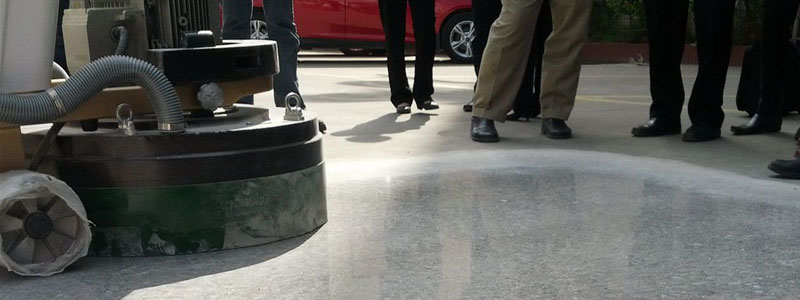
Concrete floors are a popular choice in many homes and businesses because of their durability, sleek finish, and easy maintenance. Over the years, the process of polishing concrete has evolved, making it a feasible DIY project for homeowners looking to save money while enhancing their floors. But while it might sound like an appealing, cost-effective alternative, the question remains: Is DIY concrete polishing really worth the effort?
Polishing concrete floors requires the right tools, technique, and knowledge. For those who are up for the challenge, the rewards can be impressive. On the other hand, an unpolished approach could lead to uneven surfaces, costly mistakes, or even irreversible damage to your concrete floors. Let’s take a closer look at DIY concrete polishing, including its potential benefits, challenges, and what to consider before starting this ambitious project.
The Appeal of DIY Concrete Polishing
The idea of polishing concrete floors on your own is undoubtedly tempting. After all, why hire a professional when you can do it yourself and save money? But before you decide whether DIY concrete polishing is right for you, it’s important to understand the appeal behind the project. From garages to basements, polished concrete offers a sleek, modern look that’s easy to clean and maintain.
DIY Concrete Polishing: A Cost-Effective Option?
For many homeowners, the primary reason for taking on a DIY concrete polishing project is the cost savings. Professional concrete polishing services can be expensive, ranging anywhere from $2 to $6 per square foot depending on the area and finish. A typical garage or basement floor can quickly add up to hundreds of dollars in labor and material costs. By opting to do the job yourself, you might only need to purchase the necessary tools and materials—potentially saving a significant amount on labor fees.
However, while the cost of materials may seem relatively low, there are other factors to consider. Renting or purchasing a high-quality concrete grinder, diamond polishing pads, and sealants can still add up. Additionally, many DIYers may find that the amount of time and effort required to achieve a smooth, professional finish isn’t always worth the savings. Let’s explore the pros and cons in more detail.
Polishing Concrete Floors DIY: What’s Involved?
DIY concrete polishing involves several key steps, including preparing the surface, grinding, and then polishing the concrete to the desired level of shine. Here’s a breakdown of the essential steps involved:
- Surface Preparation
Before you begin the actual polishing process, it’s crucial to prepare the concrete surface. This step involves cleaning the floor thoroughly, removing any dirt, oil, or adhesives, and filling any cracks or holes. Surface preparation also includes grinding the concrete to remove any existing coatings, such as old paint or sealers, so that the new finish can adhere properly. - Grinding
Grinding is the most labor-intensive part of the process. Using a diamond-grit grinding tool, you’ll need to gradually grind down the concrete surface, starting with a coarse grit and moving to finer grits. This step will smooth out the surface and expose the aggregate (the small stones within the concrete) that creates a polished look. The grinding process can be quite dusty, so proper ventilation and protective equipment like a respirator mask are essential. - Polishing
After grinding, the concrete is polished with progressively finer diamond polishing pads until it reaches the desired sheen. There are different levels of finish you can achieve, ranging from a matte, satin, or high-gloss finish. Achieving a glossy shine requires more passes with finer grit pads and patience. - Sealing
Once the concrete is polished, it’s important to apply a concrete sealer to protect the surface from moisture, stains, and wear. Sealing helps maintain the shine and durability of your polished concrete floor. Depending on the finish you want, there are different types of sealers, including penetrating, acrylic, and epoxy-based sealers.
While each of these steps seems straightforward, they require a level of skill, equipment, and precision. A smooth, polished finish is achievable, but it’s not easy for those without experience.
Common Challenges of DIY Concrete Polishing
While DIY concrete polishing may appear simple, it’s a process that’s fraught with challenges. Here are some of the difficulties homeowners may face when attempting to polish concrete floors themselves.
Time and Labor-Intensive Process
Concrete polishing is a time-consuming process, especially for beginners. The grinding and polishing stages can take hours or even days, depending on the size of the area and the level of finish desired. If you’re working in a large garage or basement, the job can become overwhelming without the right equipment and technique. In many cases, the time spent polishing the concrete may outweigh the cost of hiring a professional, especially if the end result isn’t as flawless as you envisioned.
Risk of Damaging the Floor
Polishing concrete is a delicate process. The wrong grinding technique or incorrect choice of equipment can cause uneven surfaces, scratches, or even cracks in the concrete. If you’re not familiar with the specific tools or how to use them properly, you might end up with a finish that looks more rough than polished. Additionally, DIYers may have trouble achieving the desired shine, as polishing requires experience to know when to switch to finer grit pads.
Equipment and Material Costs
While you may be able to save on labor costs, the equipment and materials required to polish concrete floors can be expensive. Renting or buying a concrete grinder, polishing pads, and specialized sealers isn’t cheap. For small projects, this cost might be manageable, but for larger spaces like a garage or basement, the cost of tools and materials may rival professional prices.
Additionally, specialized tools and materials may be difficult to source for the average DIYer. Professional contractors often have access to commercial-grade equipment that can achieve a superior finish in less time.
Polishing Basement Concrete Floor vs. Garage Concrete Floor
Both basements and garages are ideal locations for polishing concrete floors due to their durability and functionality. However, the specific challenges involved in polishing concrete in each of these spaces can differ.
Polishing Basement Concrete Floors
Basements tend to have higher moisture levels, which can affect the polishing process. When polishing basement concrete floors, it’s important to take extra care with moisture management. A moisture barrier may be needed to ensure that the floor remains dry and the polish adheres properly. Additionally, basement floors are often uneven, which can make grinding and polishing more difficult. If not done properly, you may end up with an uneven surface or areas that have not been properly polished.
Polishing Concrete Garage Floors
Garage floors are subjected to heavier wear and tear than other concrete floors, and they are often prone to oil stains, grease, and chemicals. These factors can complicate the polishing process. While polishing garage floors can enhance their appearance and durability, it’s essential to remove all stains and contaminants before beginning the project. Sealing the polished garage floor afterward is also critical to ensure that the floor remains resistant to oil stains and moisture.
Should You DIY or Hire a Professional?
DIY concrete polishing can be a rewarding project if you have the time, tools, and patience. However, for those who are unsure about the process or lack experience with concrete work, hiring a professional may be the better option. Professional concrete polishing contractors have the necessary equipment, knowledge, and skill to ensure that your floors are polished to perfection. They can also complete the project in less time, saving you both effort and potential mistakes.
Call to Action: Ready to Transform Your Floors? Call a Professional Today!
If you’re considering polishing your concrete floors but aren’t sure where to start, contact a professional contractor today. A skilled concrete polishing contractor can assess your space, offer expert advice, and provide a flawless finish that will enhance the look and durability of your floors. Don’t let the complexity of DIY concrete polishing hold you back—reach out now to get started on your project with the help of experts who can bring your vision to life. Fundex Bitport