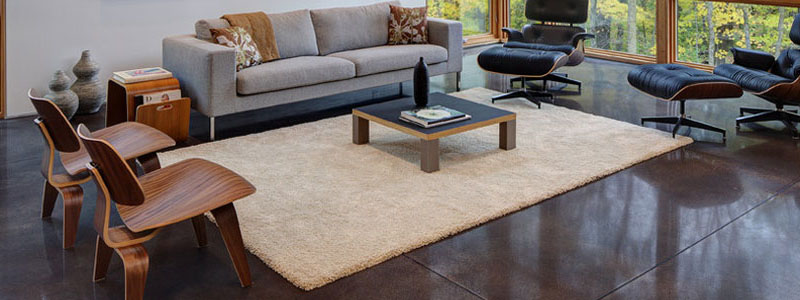
Concrete floors have long been a symbol of industrial chic, but in recent years, they’ve found their way into residential spaces as a sleek, stylish, and durable flooring option. From living rooms to kitchens, basements to garages, polished concrete floors are transforming homes, offering a high-end, low-maintenance solution for homeowners seeking a modern, polished look. With their versatility, strength, and aesthetic appeal, polished concrete floors can elevate any space—whether it’s a minimalist design or a more rustic atmosphere.
If you’re considering upgrading your floors, this guide will dive into the benefits of polished concrete floors, their cost, and how they compare to other flooring options. Additionally, we’ll address common questions about their functionality, including whether polished concrete floors are slippery and how they compare to sealed concrete.
Why Choose Concrete Polished Floors?
Polished concrete floors are becoming a popular choice for homeowners due to their sophisticated look, longevity, and minimal upkeep. Unlike traditional flooring options such as hardwood or carpet, concrete floors offer an enduring solution that requires little maintenance and offers more resilience. The polished finish gives concrete a refined appearance, enhancing the beauty of your home’s interiors.
Not only are these floors visually appealing, but they are also highly functional. Their reflective surface helps to amplify natural light, making spaces feel brighter and more open. The durability of concrete ensures that it stands up to high traffic, heavy furniture, and everyday wear and tear, making it an ideal choice for busy households.
Polished Concrete Floors vs Epoxy
When considering concrete flooring options, two popular choices often arise: polished concrete floors and epoxy-coated concrete floors. While both are durable and provide a sleek appearance, there are distinct differences between the two.
Polished Concrete Floors
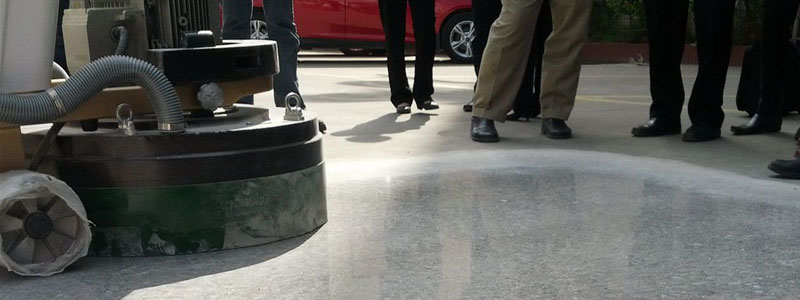
Polished concrete is a multi-step process that involves grinding, honing, and polishing the surface to achieve a glossy, reflective finish. The polished surface is then sealed for added protection. The result is a smooth, durable, and low-maintenance floor that maintains its shine for years.
Epoxy-Coated Concrete Floors
Epoxy floors, on the other hand, are created by applying a liquid epoxy coating to the surface of the concrete. This coating hardens into a glossy, durable surface that can resist stains and chemicals. Epoxy floors are often used in industrial or commercial spaces due to their ability to withstand extreme conditions.
Key Differences:
- Durability: Polished concrete is extremely durable and resistant to scratching, while epoxy coatings are highly resistant to stains but can chip or crack over time.
- Maintenance: Polished concrete requires minimal maintenance, only needing occasional cleaning. Epoxy floors may require re-coating every few years, especially if the surface has been exposed to heavy wear.
- Aesthetic: Polished concrete gives off a natural, sleek look that complements modern interiors, while epoxy can be customized with color choices and textures but might have a less natural look.
Choosing between polished concrete and epoxy depends on your aesthetic preferences and the level of durability you need for your space.
Polished Concrete Floors Cost Per Square Foot
The cost of polished concrete floors varies depending on several factors, including the size of the area, the type of finish, and the complexity of the installation. On average, polished concrete floors cost between $3 to $8 per square foot for standard finishes. This price can increase if you opt for high-gloss finishes, intricate designs, or decorative elements such as stains.
The overall cost of the project will also depend on the condition of the concrete. If the floor needs extensive preparation, such as patching cracks or removing old coatings, the cost will be higher. Additionally, larger spaces may benefit from a lower price per square foot due to bulk pricing, making polished concrete an excellent option for expansive areas like living rooms, kitchens, or commercial spaces.
Additional Costs
- Polishing and Staining: If you want to add color or create unique designs, the cost of polished stained concrete floors will be higher, typically ranging from $5 to $12 per square foot, depending on the complexity of the staining process.
- Sealing: Most polished concrete floors are sealed to protect them from moisture and stains. This is typically included in the initial cost but may increase for additional layers of protection or special coatings.
While the initial cost of polished concrete may seem higher than traditional flooring options, it’s important to consider the long-term benefits, including its longevity and minimal maintenance needs.
White Polished Concrete Floors: A Fresh, Modern Look
White polished concrete floors have become increasingly popular due to their clean, crisp, and contemporary appearance. These floors reflect light more than any other color, making rooms appear brighter and more spacious. White polished concrete is an ideal choice for modern homes, minimalist interiors, or spaces with lots of natural light.
One of the advantages of white polished concrete is its ability to complement a variety of design styles. Whether you’re going for a sleek, industrial look or a soft, airy vibe, white concrete floors serve as a versatile base. However, it’s worth noting that white floors may show dirt, dust, and stains more easily, which is why proper sealing and regular cleaning are essential for keeping them looking pristine.
Are Polished Concrete Floors Slippery?
A common concern about polished concrete floors is whether they are slippery, especially in areas prone to moisture, such as kitchens, bathrooms, or basements. The truth is that polished concrete floors can be slippery, but the level of slipperiness depends on the finish and the type of sealer applied.
Factors Influencing Slip Resistance
- Polish Level: The higher the gloss or shine, the more slippery the floor can be. For example, a high-gloss finish may be more slippery than a satin or matte finish.
- Sealer Type: Some sealers are designed to add traction to the floor, reducing the risk of slipping. Textured sealers and slip-resistant additives can be applied to polished concrete floors to improve traction and prevent accidents.
- Maintenance: Regular cleaning and proper maintenance can help prevent the accumulation of dirt or water that can make floors slippery.
To enhance safety, particularly in areas with high foot traffic or where spills are common, it’s a good idea to consult with a professional about adding anti-slip additives or opting for a less reflective finish.
Polished vs Sealed Concrete Floors
While both polished and sealed concrete floors are highly durable, they differ in the process and the final outcome. Polished concrete involves grinding and smoothing the surface to create a glossy, reflective finish, while sealed concrete simply involves applying a protective coating over the concrete to prevent moisture and stains.
- Aesthetic Differences: Polished concrete has a refined, smooth, and glossy look, while sealed concrete has a more matte finish.
- Durability: Polished concrete is more resistant to wear and tear, scratches, and stains due to its multi-step process, while sealed concrete provides a basic layer of protection but may require re-coating over time.
- Maintenance: Polished concrete requires little maintenance, while sealed concrete may require more frequent touch-ups or resealing.
Ultimately, the choice between polished and sealed concrete depends on the desired finish, budget, and maintenance preferences.
Polished Stained Concrete Floors: Adding Color and Character
If you want to add a personalized touch to your concrete floors, polished stained concrete floors are an excellent option. Staining concrete involves applying a colorant to the surface to create rich, deep hues. When combined with the polished finish, stained concrete offers a vibrant, glossy floor that can be customized in virtually any color.
The staining process allows for unique patterns, swirls, and variations in color, making each floor truly one-of-a-kind. Whether you choose earthy tones, bold hues, or soft pastels, polished stained concrete can help achieve the perfect look for your space.
Call to Action: Ready to Transform Your Floors?
If you’re looking to elevate your home with stunning polished concrete floors, now is the perfect time to get started. Whether you choose a basic polished finish, a rich stained design, or a glossy white polished concrete floor, the right professional can help guide you through the process and deliver beautiful, long-lasting results.
Contact a trusted concrete flooring company today to discuss your options and receive a free estimate. Transform your space with a floor that is not only functional but also visually stunning. Your dream floors are just a consultation away! Fundex Bitport