What Makes Polished Concrete the Future of Commercial Flooring?
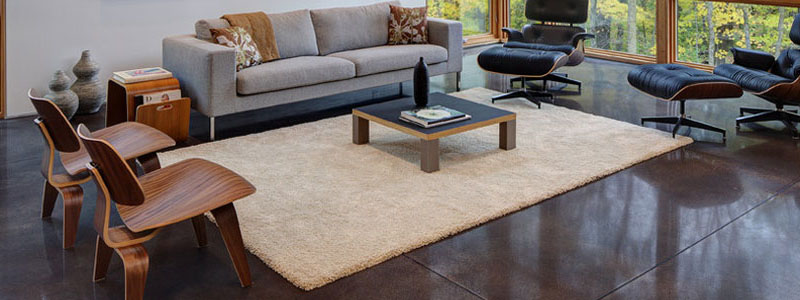
When business owners evaluate flooring options, they often weigh cost, appearance, and durability. But there’s one surface that balances all three better than the rest: polished concrete. Today’s diamond-polished concrete floor is more than a utilitarian slab—it’s a refined, high-performance surface built for heavy use and long-term visual impact.
Whether you’re renovating a high-end retail space, a warehouse, or an office building, understanding the benefits of polished concrete can help you make a smarter investment.
The Core Benefits of Polished Concrete Floors
Let’s break down the key benefits of polished concrete floors and what makes them an ideal choice for modern commercial environments:
Durability: Resists scratches, abrasions, and heavy equipment loads.
Low Maintenance: No waxing or stripping; just routine dust and damp mopping.
Light Reflectivity: Increases ambient light by up to 30%, reducing energy costs.
Cost-Effective Over Time: Installation may be moderate, but upkeep is minimal.
Aesthetically Flexible: Available in matte, satin, and high-gloss options.
Eco-Friendly: Requires no harsh chemicals and improves energy efficiency.
Seamless Surface: Reduces dust accumulation, allergens, and bacteria.
These advantages support not only the physical longevity of your floor but also the brand perception, cleanliness, and functionality of your business environment.
Comparison Table: Polished Concrete vs Other Commercial Flooring
Here’s how polished concrete stacks up against common commercial flooring types—and why it continues to gain popularity in commercial renovations and new builds. From cost-efficiency to lighting improvements, this comparison shows how polished concrete performs across the metrics that matter most to business owners. Whether you’re upgrading a high-traffic space or seeking a surface that aligns with sustainability goals, the table below illustrates why polished concrete is often the top choice.
| Flooring Type | Lifespan | Maintenance | Reflectivity | Slip Resistance | Cost Range (Per Sq. Ft.) |
| Polished Concrete | 15–25 years | Low | High | High (with additive) | $3–$12 |
| Vinyl Tile (VCT) | 5–10 years | High | Moderate | Low–Medium | $4–$8 |
| Laminate Flooring | 5–7 years | Moderate | Low | Low | $3–$7 |
| Epoxy Coating | 5–10 years | Moderate | Moderate | High | $4–$10 |
| Carpet Tiles | 5–8 years | High | Low | Medium | $5–$12 |
Polished concrete clearly delivers long-term performance and aesthetic benefits at a competitive price. Its durability and low upkeep make it an ideal solution for large-scale commercial projects with high daily foot traffic. Beyond functionality, its sleek appearance helps modernize interiors and elevate brand perception. Whether used in retail, corporate, or industrial settings, polished concrete delivers both beauty and resilience.
Commercial Concrete Floor Refinishing: A Cost-Saving Alternative
If your existing surface is structurally sound, commercial concrete floor refinishing can breathe new life into your space without the cost of replacement. This process includes:
- Deep cleaning and grinding
- Crack or surface patching
- Re-polishing to the desired finish level
- Optional dyeing or staining
It’s ideal for:
- High-traffic commercial corridors
- Large-scale lobbies and event spaces
- Renovated warehouse-to-office conversions
Refinishing allows you to maximize the value of existing polished concrete slabs while minimizing downtime and cost.
Commercial Concrete Floor Finishes: Gloss Meets Function
Polished concrete isn’t just a flat gray slab anymore. Today’s commercial concrete floor finishes can be customized to suit any design palette or safety requirement.
Finish options include:
Matte/Satin: Great for minimalist and industrial aesthetics
Semi-Gloss: Clean, professional look for offices or galleries
High Gloss: Ultra-reflective finish for retail, lobbies, or showrooms
Stained or Dyed: Adds color and texture variation
Different concrete finish levels provide the freedom to balance beauty, reflectivity, and slip resistance in one solution.
Understanding Concrete Finish Levels & Polished Concrete Slabs
Concrete finish levels refer to the degree of grinding and polishing performed:
Level 1: Matte – basic densification, no sheen
Level 2: Satin – slight sheen, improved cleanability
Level 3: Semi-gloss – visually appealing with light reflectivity
Level 4: High gloss – mirror-like shine and prestige
When preparing polished concrete slabs, professional contractors assess:
- Surface flatness and hardness
- Moisture levels
- Crack mapping and edge conditions
- Existing coatings or adhesives
These details help define the appropriate polish level and system to meet your space’s needs.
Diamond Polished Concrete Floor: Why It Outperforms Other Systems
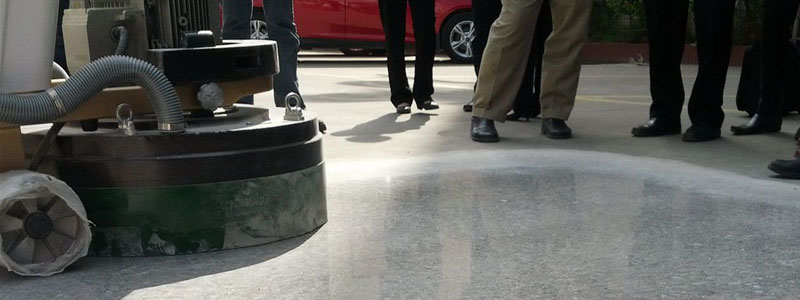
A diamond-polished concrete floor is the gold standard in commercial durability. Unlike coatings or sealants that sit on top, diamond polishing uses industrial grinders to embed strength and shine deep within the surface.
Advantages include:
- Longest-lasting polish with minimal maintenance
- Resistant to tire marks, oils, and chemical spills
- Clean, sleek look with no need for frequent reapplications
These floors are perfect for showrooms, hospitals, schools, and anywhere both durability and design matter.
FAQ: Understanding the Value of Polished Concrete
Q: What makes polished concrete more cost-effective than other flooring?
A: While installation costs may be comparable, long-term savings on maintenance, lighting, and replacements make it significantly more affordable over time. No waxing, no stripping, and minimal cleaning reduce overhead. These savings add up year after year, particularly in high-traffic commercial environments. With fewer disruptions and lower material consumption, polished concrete helps stabilize facility operating costs. It’s an investment that pays for itself in both durability and visual impact.
Q: Can you refinish existing concrete into a polished floor?
A: Yes, if the slab is structurally sound. The process involves surface preparation, patching, and polishing. This is often a preferred option for property managers renovating older buildings. Refinishing extends the lifecycle of your floor while updating its appearance and performance. It’s a sustainable choice that reduces demolition waste and supports budget-conscious upgrades. Even heavily used slabs can often be brought back to life with expert techniques.
Q: Is a polished concrete floor slippery?
A: Not when installed properly. Slip-resistant additives can be applied, and polishing actually creates a more even surface that’s safer than many alternatives. The gloss may appear slick, but traction can exceed that of vinyl or waxed surfaces. Proper footwear, mats, and regular maintenance further enhance safety. Many industries rely on polished concrete for OSHA compliance in public and work areas.
Q: How long does a polished concrete floor last?
A: With regular care, it can last 15–25 years or more. Routine dust mopping and occasional burnishing help preserve the gloss and structure. Compared to floors that require constant resealing, polished concrete is a low-maintenance powerhouse. Strategic cleaning plans extend its performance, especially in commercial zones. High-traffic facilities can rely on polished surfaces without frequent repairs.
Q: Does polished concrete support LEED or sustainability goals?
A: Absolutely. It uses your existing slab, requires no additional coatings, and improves energy efficiency through light reflectivity. Polished concrete reduces material consumption and chemical usage. Its thermal mass supports HVAC performance, lowering energy demands. For green-certified buildings, it’s an excellent flooring foundation that aligns with eco-conscious practices.
The Smarter, Stronger Surface
The benefits of polished concrete stretch far beyond appearances. It’s a flooring solution that lowers costs, improves cleanliness, and enhances the customer experience in commercial spaces. Its seamless finish not only delivers visual appeal but also boosts productivity by reducing maintenance demands.
Unlike traditional coatings or temporary finishes, polished concrete is engineered for endurance. It complements a wide range of architectural styles, resists daily wear, and supports sustainability goals through energy efficiency and minimal material waste. Its adaptability across industries—from healthcare to retail—makes it a future-ready solution for any modern facility.
Whether you’re pursuing commercial concrete floor refinishing, selecting between concrete finish levels, or aiming for the sleek resilience of a diamond-polished concrete floor, one thing is clear: this material is built to last and built to impress.
Beauty & Strength Combined – Book Your Epoxy Service Now!
At Polished Concrete Michigan, we help transform concrete into a surface that performs under pressure—while looking amazing. Reach out today for a free consultation. Handelsfjord