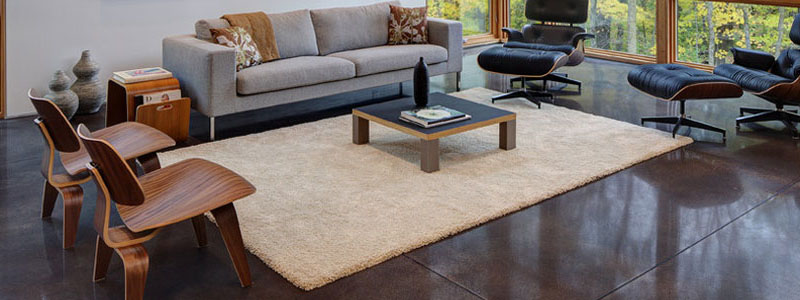
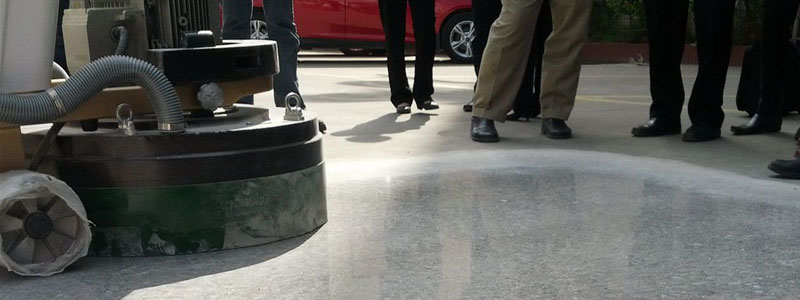
Concrete is a remarkably versatile material—used for everything from patios to painted floors, from rooftop tiles to decorative stained interiors. Yet despite its toughness, concrete is inherently porous. Without protection, it absorbs moisture, stains, and contaminants, which can degrade its structure and appearance over time.
That’s where sealing comes in. But not all concrete is created equal, and neither are sealers. Each surface—whether it’s colored, painted, or textured—demands its own unique approach. Understanding how to seal different types of concrete ensures longevity, beauty, and performance that holds up through the years.
Sealing Stained Concrete: Preserving Color and Depth
Sealing stained concrete is a crucial step in locking in its vibrant, variegated tones. Whether your stain is acid-based—producing marbled, earthy hues—or water-based for bolder, uniform colors, sealing is what keeps those shades from fading under foot traffic, sun exposure, and spills.
A high-quality acrylic or polyurethane sealer enhances the stain’s depth and brings out the richness of the design. Gloss levels range from matte to high-shine, depending on your aesthetic. Indoors, water-based sealers are often preferred for their low odor and clarity. Outdoors, UV-stable solvent-based options provide superior protection against the elements.
Timing is critical. Stained concrete should be fully dry (typically 24–48 hours) before sealing. And if it’s outside, ensure dry weather is forecasted—sealers don’t play well with rain.
Sealing Painted Concrete: Locking in Finish and Preventing Peeling
Sealing painted concrete helps preserve color vibrancy, resist chipping, and prevent peeling caused by moisture or abrasion. This is particularly important in garages, basements, or patios where wear and tear are relentless.
Painted surfaces require a different sealing strategy than bare or stained concrete. Use a non-yellowing, clear acrylic or polyurethane that won’t interact chemically with the paint beneath. Water-based options work well indoors, while solvent-based products offer added toughness for outdoor use.
Before sealing, ensure the paint has cured thoroughly—usually 3 to 7 days depending on product and climate. Lightly sanding the surface can improve adhesion. The result? A longer-lasting, better-looking painted concrete surface that withstands the rigors of time.
Sealing Concrete Roof Tiles: Weatherproofing From the Top Down
Sealing concrete roof tiles is about more than curb appeal. It’s about protecting your home from water infiltration, mildew, and freeze-thaw damage. These tiles are exposed to extreme conditions—sun, wind, rain, snow—day in and day out.
Silicone-based or silane/siloxane penetrating sealers are best suited for roof tiles. They soak deep into the porous surface, creating a breathable barrier that repels water while allowing trapped moisture to escape—important for preventing tile delamination or blistering.
Color-enhancing sealers can be used if you’re trying to revive the appearance of older tiles, but always choose a breathable formula to avoid trapping water beneath the surface. Applied correctly, a roof tile sealer can extend the life of your roof and reduce long-term maintenance costs.
Colour Sealing Concrete: Bold Finishes, Built to Last
Colour sealing concrete offers an eye-catching alternative to traditional stains or paints. This process involves applying a tinted acrylic or epoxy-based sealer that simultaneously protects the surface and adds pigment.
It’s commonly used for driveways, pool decks, and commercial walkways where both performance and aesthetics matter. Colour sealers come in a wide range of tones—from warm terracotta and deep charcoal to custom color matches. They offer excellent UV resistance and, depending on the gloss level, can deliver a sleek or satin finish.
Prep work is everything. Power washing, degreasing, and ensuring a sound substrate are non-negotiable steps. Two coats are generally recommended for uniform coverage and longevity.
Concrete Top Sealing: Surface-First Protection
Concrete top sealing is often the final touch for decorative surfaces—countertops, floors, and overlays. These areas require sealers that not only protect but also meet aesthetic and hygiene standards.
For countertops and interior floors, food-safe, low-VOC polyurethane or epoxy sealers offer stain resistance and durability. They also resist heat, abrasion, and acidic substances—common culprits in kitchens and bathrooms.
Surface sealers form a thin film on top of the concrete, enhancing color and clarity. They’re best applied with foam rollers or sprayers to avoid streaks. Top sealing isn’t just about guarding the material—it’s about creating a finish that feels polished, intentional, and easy to clean.
Sealing Concrete Block: Reinforcing the Rougher Side of Concrete
Sealing concrete block, such as CMUs (concrete masonry units), is often overlooked—but it’s one of the most effective ways to protect walls, foundations, and retaining structures from water damage and deterioration.
Blocks are highly porous, and without a sealer, they act like sponges—absorbing water and encouraging mildew, efflorescence, and even structural weakness over time. Silane/siloxane-based penetrating sealers are ideal for concrete block, as they soak in deeply without creating a film, preserving the natural look of the wall while offering moisture resistance.
In areas prone to wind-driven rain or freeze-thaw cycles, sealing block walls can mean the difference between cosmetic upkeep and costly repairs down the road.
Lasting Impressions: Protecting Every Surface with Precision
Each type of concrete—from the stained and sleek to the raw and rugged—demands a tailored sealing approach. It’s not a one-size-fits-all process. Sealing adds more than shine; it delivers resilience, color retention, and peace of mind.
Whether you’re working with a painted garage floor, a weather-worn patio, or an intricate decorative countertop, the right sealer enhances the surface while shielding it from life’s inevitable wear and tear. It’s an invisible hero—quietly doing the hard work so your concrete can shine.
Ready to Seal the Surface? Let’s Make It Last
At Polished Concrete Michigan, we bring expert knowledge and attention to every project. Whether you’re sealing a stained floor, a painted wall, or a tiled roof, our team knows the products, processes, and nuances that deliver exceptional results.
Reach out today for a no-pressure consultation or free quote. Your concrete deserves protection tailored to its unique personality.
Frequently Asked Questions
- How often should I reseal stained or colored concrete?
Typically, stained or colored concrete should be resealed every 2 to 3 years, depending on exposure to sunlight, foot traffic, and the type of sealer used. Exterior surfaces may need more frequent reapplication due to UV damage and weathering. You’ll know it’s time when water stops beading on the surface or when color starts to fade or appear dull. - Can I seal over old paint or stain on concrete?
It depends. Sealing over old paint or stain is only effective if the existing layer is intact, clean, and fully bonded to the concrete. Peeling or flaking finishes should be removed first through stripping or light grinding. Applying a sealer over damaged or loose material can trap moisture and cause further failure. A test patch is always recommended before sealing large areas. - What type of sealer is best for concrete roof tiles?
The ideal sealer for concrete roof tiles is a breathable penetrating sealer, such as a silane/siloxane formula. These sealers soak into the tile and create a moisture-repellent barrier without blocking vapor transmission. This is essential for preventing trapped water, which can lead to mold, mildew, or structural degradation. Avoid film-forming sealers that may peel under prolonged sun exposure. - Can colour sealing concrete be done over existing plain concrete?
Yes, colour sealing can be applied to existing plain or uncolored concrete, provided the surface is clean, dry, and properly prepped. Any old sealers, coatings, or stains should be removed for best adhesion. Tinted acrylic or epoxy-based sealers are then applied in thin, even coats to achieve the desired hue. Always check that the concrete is porous enough to accept the sealer before application. - Is sealing concrete block walls really necessary indoors?
While indoor concrete block may not face the same environmental pressures as outdoor structures, sealing is still beneficial. In basements or utility rooms, unsealed blocks can absorb ground moisture, contributing to dampness, mildew, or musty odors. A breathable penetrating sealer helps regulate moisture levels and prevents efflorescence (white, powdery buildup), while still allowing the wall to “breathe.”