When it comes to high-performance flooring for commercial and industrial spaces, nothing matches the durability, ease, and versatility of commercial concrete floors. Whether you’re operating a warehouse, retail store, office, or medical facility, your flooring choice impacts safety, efficiency, and aesthetics.
Polished Concrete Michigan helps businesses across sectors install and maintain high-quality flooring—from sleek retail-ready finishes to ultra-tough industrial concrete floor surfaces. This guide walks you through the benefits, types, costs, and considerations so you can make the smartest long-term investment.
Why Choose Commercial Concrete Flooring?
Commercial concrete floor systems are designed to handle high traffic, resist wear, and last for decades. Unlike carpeting or tile, which degrade quickly under stress, concrete maintains its integrity and appeal with minimal upkeep.
Key advantages include:
- High load-bearing strength for equipment and heavy foot traffic
- Low maintenance, with no waxing or sealing required
- Custom finishes like polished, stained, or textured surfaces
- Slip-resistant options to improve safety
- Reflective surfaces that reduce lighting costs
Whether you’re managing a warehouse or a showroom, concrete offers unmatched versatility.
Comparison Table: Commercial Flooring Options
Commercial spaces demand flooring that performs under pressure. Here’s how commercial concrete floors compare to other popular materials:
| Flooring Type | Lifespan | Maintenance Level | Slip Resistance | Best Use Cases |
| Polished Concrete | 10–20+ years | Low | High (with additive) | Offices, Showrooms, Retail |
| Epoxy over Concrete | 5–10 years | Moderate | Moderate | Garages, Labs, Restaurants |
| Vinyl Composite Tile (VCT) | 5–8 years | High | Low | Schools, Healthcare |
| Industrial Tile | 10–15 years | Moderate | Varies | Kitchens, Entryways |
| Sealed Industrial Concrete Floor | 5–7 years | Moderate | Medium | Warehouses, Utility Rooms |
Concrete stands out for longevity and cost-efficiency, especially when polished for visual appeal. It offers one of the lowest lifecycle costs among commercial flooring systems, making it a favorite for facilities focused on long-term value. With fewer repairs, less frequent replacement, and reduced cleaning needs, polished concrete quickly pays for itself. Its clean, modern finish also enhances brand perception in client-facing environments.
What Is Commercial Polished Concrete Flooring?
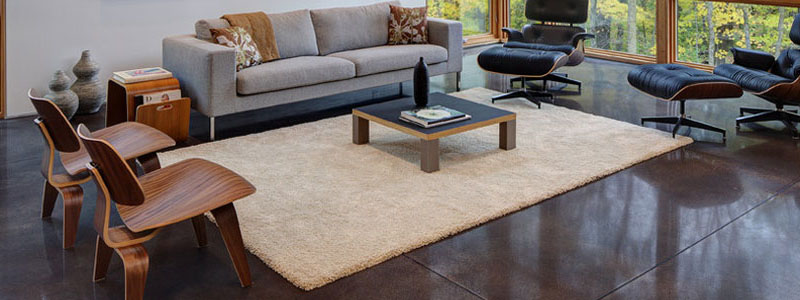
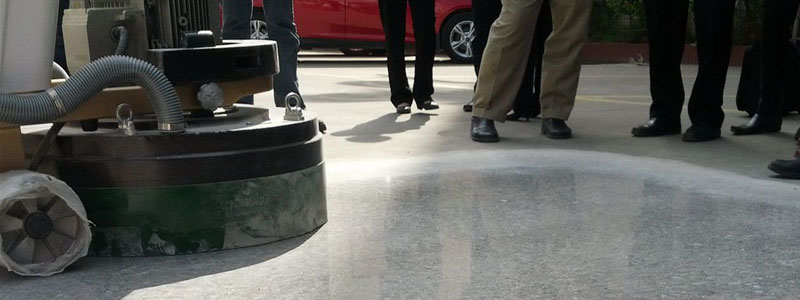
Commercial polished concrete flooring is concrete that’s been mechanically ground, honed, and polished to a smooth, glossy finish. This not only enhances its aesthetic but also increases density, making it stain-resistant, easy to clean, and highly reflective.
It’s ideal for:
Retail stores: Stylish, cleanable surfaces that withstand traffic
Medical facilities: Seamless, bacteria-resistant finish
Offices: Modern aesthetic that reduces lighting needs
From minimalist matte to mirror-like gloss, polished concrete is as attractive as it is tough.
Hire the Right Commercial Polished Concrete Contractor
Not all concrete installations are created equal. The skill and experience of your commercial polished concrete contractor matter just as much as the material itself.
Polished Concrete Michigan stands out because we:
- Use industrial-grade equipment for a flawless finish
- Offer tailored solutions for retail, healthcare, and industrial sectors
- Work with your schedule to minimize business disruption
- Ensure every slab is tested, prepared, and sealed to perfection
When it comes to flooring, cut-rate work can cost more in the long run. Partnering with the right team means fewer repairs, less downtime, and long-lasting results.
Industrial Polished Concrete: Designed for Demanding Environments
Industrial polished concrete is built to handle harsh conditions. It’s ideal for environments with forklifts, spills, chemicals, and high-impact activity. Compared to traditional sealed concrete, polished surfaces last longer and resist wear.
Why choose industrial polished concrete?
- No peeling or delamination like with epoxy coatings
- Higher abrasion resistance
- Easy to clean with sweepers or mops
- Reflective finish improves visibility and safety
Perfect for:
- Production facilities
- Machine shops
- Food processing areas
- Vehicle service centers
Polished Concrete for Warehouse Applications
For warehouse managers, polished concrete for warehouse spaces provides an unbeatable combination of strength, efficiency, and ease.
Key advantages:
- Smooth surface reduces tire wear on forklifts
- Minimizes dust and particulate accumulation
- Handles pallet traffic and shelving loads with ease
- Seamless and easy to repair
Unlike tiles or vinyl, polished concrete won’t lift, crack, or trap dirt between seams. It’s a clean, professional surface that keeps operations running smoothly.
FAQ: Commercial Concrete Floor Insights
Q: How long do commercial concrete floors last?
A: With proper maintenance, polished commercial concrete can last 20+ years. Even in high-traffic areas, its durability outperforms tile, vinyl, or laminate. Occasional reburnishing may extend its visual appeal. Routine inspections and timely minor touch-ups also enhance the lifespan. Businesses often save thousands on replacement costs due to this longevity. It’s one of the best ROI options for commercial interiors.
Q: Are polished concrete floors slippery?
A: Not when installed correctly. Additives can be included during polishing to increase traction. Polished concrete is often safer than glossy tile or waxed vinyl in wet environments. The seamless surface also reduces tripping hazards. Regular cleaning removes residues that might reduce grip. With proper care, these floors meet or exceed commercial safety standards.
Q: What is the cost difference between polished concrete and epoxy?
A: Polished concrete typically ranges from $3–$12 per sq. ft., while epoxy is $4–$10. While epoxy offers specific chemical resistance, polished concrete wins in longevity and low maintenance. Over time, epoxy may chip or peel under stress, increasing upkeep costs. Polished concrete doesn’t suffer from delamination. For large spaces, concrete often yields better value.
Q: Can I install polished concrete over an existing floor?
A: It depends. If the existing floor is concrete, it can be polished. Over tile or wood, the surface would need removal and assessment of the underlying slab. Substrate integrity is key for a successful finish. Moisture testing may be required before proceeding. Our team can evaluate your site and recommend the best prep method.
Q: How do I maintain commercial polished concrete?
A: Daily dust mopping, weekly wet mopping with neutral cleaner, and occasional re-polishing for gloss. Avoid harsh chemicals and heavy abrasion. Use walk-off mats at entrances to reduce grit. Apply conditioners every few months for added sheen. Following these steps preserves the look and lifespan of your investment.
Concrete That Means Business
Commercial concrete floors are a long-term investment in your facility’s durability, safety, and image. From commercial polished concrete flooring to heavy-duty industrial polished concrete, these surfaces work hard and look good doing it.
Whether you’re building out a warehouse, upgrading a showroom, or resurfacing an industrial facility, polished concrete is a cost-effective, stylish solution.
Upgrade to Epoxy & Never Worry About Your Floors Again – Call Now!
Polished Concrete Michigan delivers commercial-grade results with unmatched precision. Get in touch for a free consultation and discover flooring that’s built to outlast trends—and traffic. Κεντρο Luxorion