Start Smart: What Makes Concrete Polishing a High-Stakes Service
Concrete might seem simple—until you realize just how much the finish can impact safety, longevity, cleanliness, and aesthetics. Whether you manage a warehouse, office, retail space, or industrial plant, professional concrete floor polishing services turn a raw slab into a performance-driven, visually striking asset.
This guide will walk you through the types of polished finishes, how to understand concrete polish levels, and what sets the best concrete polishing companies apart. From selecting a commercial polished concrete contractor to comparing polished concrete systems, we’ve got you covered.
Why Choose Professional Concrete Floor Polishing Services?
Choosing professional polishing over DIY or sealing options provides:
- Superior durability that withstands abrasion and heavy traffic
- Reflectivity that increases lighting efficiency
- Stain and spill resistance after densifying and sealing
- Slip-resistance treatments for enhanced safety
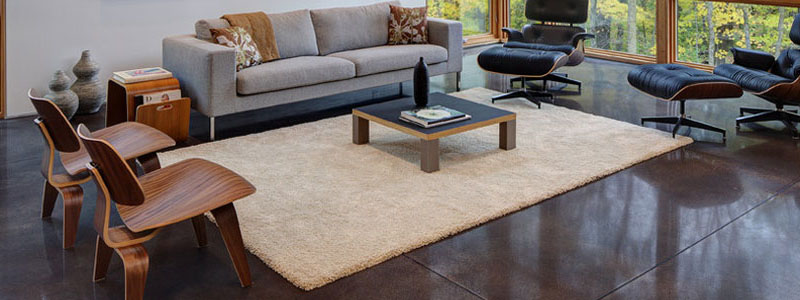
- Aesthetic versatility with matte to high-gloss options
Unlike coatings that peel or wear, polishing transforms the concrete itself. That means longer performance, lower maintenance, and consistent quality.
Understanding Concrete Polishing Levels (From Matte to Mirror)
Polishing isn’t a one-size-fits-all service. The level of shine depends on how fine the surface is ground and polished. Here are the basic concrete polish levels:
| Polish Level | Gloss Rating | Appearance | Common Uses |
| Level 1 – Flat | Low | Matte, no reflection | Utility rooms, factories |
| Level 2 – Satin | Medium | Soft sheen, minimal gloss | Warehouses, corridors |
| Level 3 – Semi-Gloss | High | Noticeable shine | Offices, showrooms |
| Level 4 – High Gloss | Very High | Mirror-like reflectivity | Retail, commercial lobbies |
Choosing the right level depends on the purpose of the space, lighting, and cleaning expectations.
Concrete Levels and Their Impact on Polishing Success
Not all concrete is created equal. The hardness, porosity, and age of your slab all affect how it reacts to grinding and polishing.
Concrete levels determine:
- How easily the surface densifies
- Whether a high-gloss finish can be achieved
- How deep cracks or flaws may appear
Testing slab hardness and moisture content is essential before starting. Reputable concrete polishing companies will always perform this first.
Comparing Concrete Polishing Systems
Multiple polished concrete systems exist, and the best contractors tailor them to the needs of your space. The three most common are:
- Cream Polish (Top Surface Only)
- Fast and economical
- Less depth, more aesthetic focus
- Best for decorative and light-use areas
- Salt and Pepper Finish
- Exposes fine aggregates for texture
- Medium grinding depth
- Common in retail, commercial, and educational buildings
- Aggregate Exposure Polish
- Deep grind to expose the large stone
- Highly durable and textured
- Ideal for industrial and high-traffic areas
Each system includes densification, polishing, and optional sealing. Choosing the wrong system can lead to premature wear or unmet visual expectations.
Selecting the Right Commercial Polished Concrete Contractor
Don’t gamble on quality. A trusted commercial polished concrete contractor brings more than tools—they bring insight.
Look for:
Portfolio diversity: Commercial, industrial, retail, and public sector work
Surface testing: Moisture and hardness checks prior to service
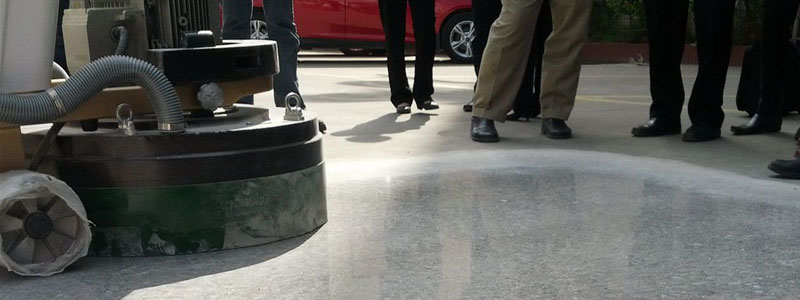
Dust containment: HEPA vacuums for clean, live-site polishing
Flexible scheduling: Night or weekend work to reduce downtime
Warranty options: Especially important for commercial clients
The best contractors know how to tailor concrete floor polishing services to your needs—not just offer a cookie-cutter approach.
Concrete Polishing Companies: What Sets the Best Apart?
Great concrete polishing companies go beyond technical execution. They focus on:
Customization: Matching finishes to your brand or space design
Sustainability: Using low-VOC products and reducing material waste
Compliance: Meeting OSHA, ADA, and LEED requirements
Post-service care: Offering cleaning guides and maintenance plans
Make sure your chosen provider isn’t just a contractor—but a long-term partner.
FAQ: Getting Clear on Polishing Services
Q: How long does it take to polish a commercial concrete floor?
A: Most jobs take 1–5 days, depending on square footage, polish level, and system used. Prep time matters—slabs may need testing, crack repair, or adhesive removal. Larger facilities may be scheduled in phases to allow continued operations. The contractor’s equipment and crew size also influence project timelines. Night or weekend work may speed up results without disrupting business hours. Always ask for a clear schedule before work begins.
Q: Are all slabs suitable for polishing?
A: No. The surface must be structurally sound and meet minimum hardness and flatness criteria. Moisture levels also matter. If unsuitable, your contractor should recommend grinding, patching, or moisture mitigation first. A thorough assessment can prevent costly issues down the line. Older slabs may need joint repair or crack filling. Experienced providers will never skip this crucial step.
Q: What is the maintenance like after polishing?
A: Daily dust mopping and occasional wet mopping with a neutral pH cleaner are usually sufficient. High-gloss finishes may benefit from periodic burnishing or conditioning pads. Avoid acidic or abrasive products. Placing mats at entrances reduces grit and dirt. Using manufacturer-recommended cleaners helps retain the floor’s luster. Maintenance is simple but should be consistent.
Q: How do polish levels affect safety?
A: While gloss increases reflectivity, additives can boost slip resistance. In public or wet-prone areas, safety finishes are applied without sacrificing shine. Polished concrete is safer than waxed tile or sealed coatings. Proper footwear and cleaning routines also influence traction. High-traffic zones may require tailored slip-resistant coatings. Always confirm the safety rating of your finish.
Q: How do I compare concrete polishing companies?
A: Ask about certifications, equipment, dust control, references, and how they tailor polished concrete systems to specific building types. Also, confirm if they offer long-term maintenance packages. Check for reviews from past commercial clients. Reputable companies offer clear communication, warranties, and transparency. A site visit before quoting is a strong indicator of professionalism.
One Surface, Countless Possibilities
Concrete floor polishing services aren’t just about shine—they’re about strength, cleanliness, and long-term value. From warehouses to lobbies, the right polish enhances your brand, protects your investment, and keeps your facility operating at its best.
Whether you need a light-reflective showroom floor or a slip-resistant, hard-wearing factory surface, concrete polishing can meet the challenge. It offers a level of performance and design flexibility that few other materials can match. Plus, it’s a sustainable solution—requiring no additional coatings or overlays.
By understanding concrete polish levels, concrete levels, and polished concrete systems, you’ll be equipped to make the right choice—and to hire the right team.
Epoxy Flooring That Lasts – Get Your Free Estimate!
At Polished Concrete Michigan, we help you find the perfect polish for your space and usage. Contact us today to transform dull concrete into a durable, brilliant surface. Kärna Fintrix