Polished concrete has moved from industrial corridors into the heart of the home. It’s now as welcome in a cozy living room as it is in a garage or entryway. With its raw elegance, low-maintenance appeal, and affordability, polished concrete is captivating homeowners and DIYers alike. Whether you’re designing your dream kitchen or exploring budget-friendly flooring options, polished concrete adapts—beautifully and bravely.
The journey begins with understanding the nuances of installation, cost, and finish types. From richly stained surfaces to glossy terrazzo-style floors, each room offers an opportunity to do something extraordinary.
Residential Polished Concrete Floors: Where Style Meets Simplicity
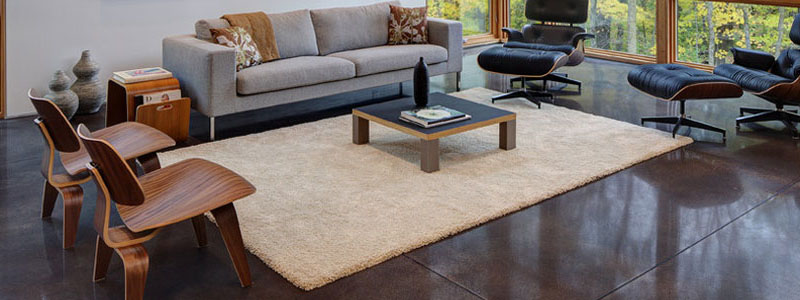
Residential polished concrete floors are redefining home interiors. They’re durable enough to handle daily wear, yet stylish enough to hold their own against high-end hardwood or tile. Homeowners are drawn to their minimalist charm, eco-friendliness, and ability to reflect natural light in even the darkest corners.
Unlike traditional flooring, polished concrete doesn’t require replacement every decade. It resists scratches, scuffs, and spills with remarkable poise. In open-plan spaces, it offers seamless continuity between living, dining, and kitchen zones—enhancing flow and visual spaciousness. Add radiant heating underneath, and you’ve got warmth and function in one sleek package.
Stained Polished Concrete Floors Cost: Beauty Within Reach
Curious about the stained polished concrete floors cost? Staining adds personality to an already robust surface, but it doesn’t have to break the bank. On average, expect to pay $5–$15 per square foot depending on complexity, color layering, and whether it’s acid or water-based stain.
Acid stains create a variegated, marble-like appearance with earthy tones. Water-based stains allow for bolder, more uniform hues like blues, greens, or charcoal black. Multiple colors, intricate patterns, or stenciling will raise the cost, but even basic staining delivers stunning results for a fraction of what natural stone or tile might cost.
When compared to other decorative surfaces, stained polished concrete holds its own—offering a truly custom look that ages gracefully over time.
Polished Concrete Floors vs Tiles: The Showdown
It’s a common debate: polished concrete floors vs tiles. Both are durable, moisture-resistant, and stylish, but their differences are worth noting.
Tiles offer texture variety and easy replacement if one breaks. However, they can chip, grout lines stain over time, and installations can be time-consuming. Tiles also tend to feel colder underfoot without heating systems.
Polished concrete, in contrast, offers seamless continuity—no grout lines, no edges to crack or catch dirt. Its thermal mass helps regulate temperature, and it pairs effortlessly with radiant heating. Visually, it leans toward modern minimalism or industrial chic but can be colored or patterned to mimic the warmth of stone or the uniformity of porcelain.
Tiles may offer short-term appeal, but polished concrete delivers long-term performance and easier upkeep.
Cheap Polished Concrete Floors: Affordability Without Compromise
If budget is top of mind, cheap polished concrete floors don’t mean cutting corners—just smart choices. The most cost-effective option is polishing an existing concrete slab without adding color, patterns, or gloss-intensive finishes. This method typically ranges from $3–$6 per square foot, depending on prep and condition.
Skipping stain or decorative aggregates can reduce cost significantly. Opting for a matte or satin finish instead of a high-gloss shine also helps. DIYers can save even more by renting grinding equipment and following simplified tutorials for smaller spaces.
Cheap doesn’t have to mean dull. With the right care and a clean finish, even basic polished concrete can exude understated elegance.
How to Install Polished Concrete Floors: Step-by-Step Overview
Understanding how to install polished concrete floors is essential, whether you’re planning to DIY or hire a pro. Here’s a simplified overview of the process:
- Surface Preparation: Remove old flooring, adhesives, paint, or coatings. Clean thoroughly.
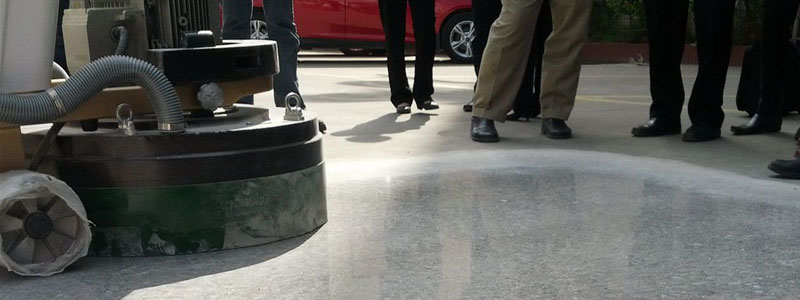
- Initial Grinding: Begin with a coarse diamond grinder to level and remove surface imperfections.
- Crack Repair: Fill and patch any cracks or divots to create a smooth foundation.
- Densification: Apply a concrete densifier to harden the surface and prepare it for polishing.
- Progressive Polishing: Use finer grit levels (usually ending at 1500 or 3000 grit) to achieve the desired sheen.
- Staining (Optional): Apply acid or water-based stains after the densifier, before final polish.
- Guard or Sealer: Apply a protective guard or sealant for added stain resistance.
The process requires time, attention to detail, and proper equipment—but the reward is a resilient, glossy floor you’ll admire for years.
Polished Concrete Terrazzo Floors: The Art of Embedded Beauty
Polished concrete terrazzo floors offer a fusion of old-world craftsmanship and contemporary polish. Terrazzo involves embedding decorative aggregates—like marble chips, glass, or shells—into the concrete mix or topping layer. Once cured, the surface is ground and polished until the embedded materials are exposed and glimmering.
This flooring style is ideal for high-impact areas like foyers, kitchens, or commercial lobbies where artistic flooring becomes a conversation starter. It’s more labor-intensive and costly (typically $10–$30 per square foot), but it yields a custom, luxurious finish that’s built to last a lifetime.
Terrazzo floors are bold. Beautiful. And unforgettable.
How to Maintain Polished Concrete Floors: Simple Yet Essential
Polished concrete doesn’t ask for much, but how to maintain polished concrete floors still matters.
- Daily: Dry mop with a microfiber pad to remove dust and grit.
- Weekly: Damp mop with a pH-neutral cleaner to lift residue and maintain sheen.
- Quarterly: In high-traffic areas, consider a light burnishing or reapplication of a protective guard.
- Annually: For commercial spaces, a professional rebuffing helps preserve gloss and resist wear.
Avoid waxes or acidic cleaners, which can dull the finish. With minimal effort, your floors will keep their showroom shine year after year.
Bringing It Home: Flooring That Reflects Your Life
Polished concrete is a chameleon—effortlessly adapting to any room, any budget, any style. It’s a floor that reflects more than just light. It reflects intention, function, and timeless design. From modest DIY beginnings to stunning terrazzo masterpieces, polished concrete isn’t just another surface. It’s the foundation of a well-lived space.
Whether you crave rustic warmth, industrial cool, or minimalist serenity, there’s a version of polished concrete waiting for you.
Start Your Project with Confidence
At Polished Concrete Michigan, we help homeowners turn concrete dreams into durable realities. Whether you’re ready to DIY or prefer a professional touch, we’re here to guide, grind, and polish every step of the way.
Get in touch today for a free quote and explore the full range of concrete flooring possibilities—designed for real life, and built to last.
Frequently Asked Questions
- Can I install polished concrete floors in every room of my house?
Yes—polished concrete works in virtually any room. It’s ideal for living rooms, kitchens, hallways, and even bedrooms when paired with rugs for comfort. In bathrooms, proper sealing is essential to prevent water intrusion. Polished concrete adds visual continuity and durability throughout the home, making it a smart choice for open-concept designs or modern aesthetics. - How do stained and polished concrete floors compare in price to other materials?
Stained polished concrete generally costs less than hardwood, natural stone, or luxury tile. The base cost typically ranges from $5–$15 per square foot, depending on color complexity and finish. In contrast, high-end hardwood or stone can exceed $20–$30 per square foot when factoring in materials, labor, and maintenance. Polished concrete offers similar visual impact with significantly lower upkeep. - Can I polish concrete floors myself without professional help?
You can—especially for small, low-traffic areas. However, DIY polishing requires heavy equipment (grinders, vacuums), a deep understanding of grit progression, and attention to moisture and surface prep. Mistakes like skipping a grit or applying densifier too early can result in uneven or weak finishes. For larger or high-visibility areas, hiring a professional is usually the wiser path. - Are polished concrete floors comfortable to walk on?
Surprisingly, yes. While concrete is firm, it’s also smooth and uniform—especially when polished. It doesn’t creak or shift like wood or tile, and it absorbs radiant heat well, making it cozy underfoot. With rugs or soft furnishings, it balances function with comfort, especially in homes with kids or pets. - How long do polished concrete floors last?
Polished concrete can last 20 years or more with proper care. Its strength lies in the fact that the finish is integrated into the slab itself—not just applied on top like a coating. Over time, a quick reburnish or touch-up can refresh the surface without full replacement. This longevity, paired with low maintenance, makes it one of the most cost-effective flooring investments available.