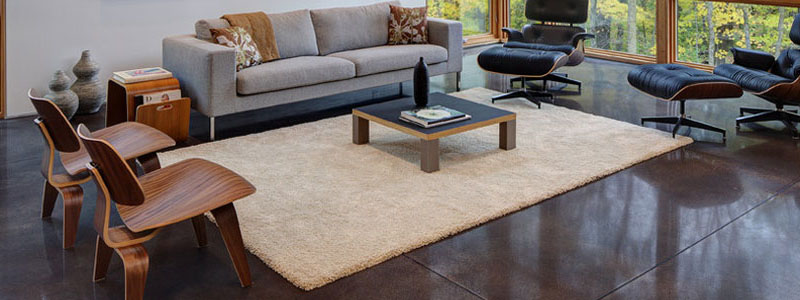
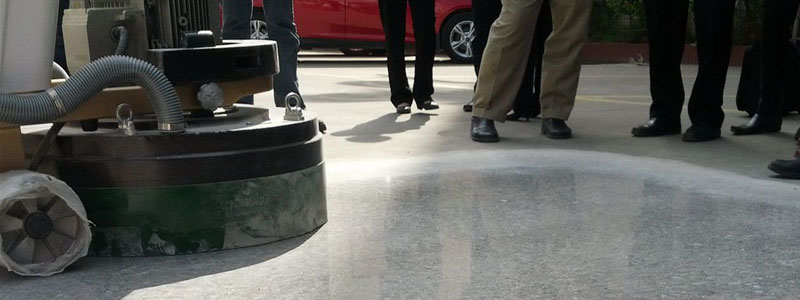
Concrete is no longer just for garages or sidewalks. It has evolved into a chic, modern, and remarkably durable flooring option for homes. Polished concrete floors are making waves in residential spaces—from stylish basements to sunlit living rooms—thanks to their sleek finish, minimal maintenance, and surprising versatility. Whether you’re building new or restoring old concrete, there’s a polish-perfect path for every homeowner.
Residential Concrete Polishing: A Modern Flooring Marvel
When it comes to residential concrete polishing, think beyond utilitarian. Today’s polished concrete is a design-forward, eco-conscious choice that offers a harmonious blend of beauty and strength. Its glossy surface reflects natural light, visually expanding tight rooms and brightening dim corners. Polished floors are also naturally hypoallergenic and resistant to moisture, making them ideal for families seeking both elegance and health-conscious living.
Professionally polished concrete can last decades with minimal upkeep. It’s cost-effective, especially when compared to hardwood or stone, and perfect for radiant heating systems—keeping toes warm and energy bills low.
Residential Concrete Floor Polishing: The Professional Touch
Residential concrete floor polishing isn’t a one-size-fits-all job. A professional service customizes the process based on the condition of your slab, aesthetic preferences, and use of space. The procedure begins with grinding the surface to expose the desired level of aggregate—whether a soft salt-and-pepper or a bold terrazzo-style finish. Then, multiple passes of fine grit polishing smooth the surface to a reflective sheen.
High-end polishing services often incorporate densifiers, which harden the surface and improve longevity. Protective sealers can add a satin or high-gloss finish, depending on your taste. Best of all? There’s little disruption to your routine. Once cured, the floor is ready to walk on within hours.
Residential Concrete Polishing Services: What to Expect
Choosing residential concrete polishing services means partnering with experts who understand the nuances of concrete as a living material—how it breathes, settles, and responds to treatment. Look for services that offer comprehensive assessments, moisture testing, and detailed prep work. Cutting corners in any of these areas can lead to peeling finishes or uneven results.
Expect transparency. A trusted service will outline each step—grinding, honing, densifying, polishing—and help you select finishes that complement your interior design. From matte industrial vibes to gleaming, marble-like surfaces, the right team can make concrete a true showpiece.
Polishing Concrete Floors DIY: Doable but Demanding
Tempted to take on polishing concrete floors DIY? It’s possible—but it’s a serious undertaking. You’ll need industrial-grade tools like a planetary grinder, diamond abrasives, vacuums for dust control, and access to densifiers and sealants. And that’s before we even talk about technique.
Expect hours of prep, countless passes with different grit levels, and an unrelenting attention to detail. A single misstep can leave swirls, gouges, or dull patches. DIY polishing is best suited for small, low-traffic areas like a home workshop or utility room—spaces where perfection isn’t paramount.
For ambitious DIYers with patience and the right equipment, the reward is real: a custom-finished floor and a deep sense of accomplishment. Just don’t underestimate the labor involved.
Polishing Concrete Slab: From Rough to Radiant
Polishing a concrete slab transforms a raw, rugged surface into a smooth, high-performance floor. Whether it’s part of new construction or a remodel, a slab must be structurally sound and properly cured before polishing begins. Cracks, spalling, and uneven pours must be addressed first, often with patching or self-leveling compounds.
Once stable, the slab undergoes a series of refinements—grinding with coarse diamonds to flatten, then gradually polishing with finer grits. The end result? A mirror-like surface that’s tough enough for daily life but graceful enough to elevate your entire interior aesthetic.
Polishing Old Concrete Floors: Breathing Life into the Past
Polishing old concrete floors is nothing short of an architectural resurrection. Timeworn slabs—hidden under carpet, tile, or years of grime—often conceal rich textures and character. With the right care, these old bones can become gleaming centerpieces of your home.
Restoration begins with a deep grind to remove old adhesives, stains, or damaged layers. From there, the process mirrors new-floor polishing: densifying, honing, and sealing. It’s not uncommon for older concrete to reveal unexpected beauty, such as unique aggregate patterns or vintage construction quirks that give your space soul.
Polishing old concrete is also a sustainable choice—reusing existing materials instead of sending them to the landfill. It’s a win for your home and the planet.
Bringing It All Together: Elevating Home Floors Naturally
Concrete polishing isn’t just a trend—it’s a movement toward cleaner design, natural materials, and long-lasting beauty. Whether you’re polishing a brand-new slab or revealing the forgotten glory of old concrete, the result is more than just a floor. It’s a statement.
Polished concrete floors in residential spaces offer durability without sacrifice, blending minimalism with warmth, and modern design with everyday functionality. When done well, these surfaces don’t just reflect light—they reflect thoughtful living.
Ready to Transform Your Floors?
Let the experts at Polished Concrete Michigan help you bring new life to your concrete. Our residential polishing services are tailored, timely, and crafted to perfection. Whether you’re ready for a whole-home makeover or just exploring your options, we’re here to guide every step.
Get a free estimate today—and see the beauty hiding beneath your feet. Fundex Bitport
Frequently Asked Questions
- How long does a polished concrete floor last in a residential setting?
When properly maintained, a polished concrete floor can last 20 years or more in a residential environment. It resists wear and tear from foot traffic, pets, and furniture, making it an ideal low-maintenance solution for busy households. Annual reapplication of sealers or wax (depending on use) helps maintain shine and durability. - Is polished concrete slippery?
Despite its glossy appearance, polished concrete offers excellent slip resistance, especially when dry. Additional anti-slip treatments or textured finishes can be added in wet-prone areas like kitchens or bathrooms to further enhance safety. Compared to surfaces like tile or hardwood, it performs quite well in traction tests. - Can I polish a painted or previously coated concrete floor?
Polishing over paint or coatings isn’t recommended. These layers must be completely removed before polishing begins. Professional services typically grind off old finishes to expose the bare concrete beneath, ensuring proper adhesion of densifiers and sealers and a smooth final polish. - What kind of maintenance does polished concrete require?
Maintenance is refreshingly minimal. Routine sweeping and damp mopping are usually sufficient. Avoid harsh chemical cleaners—pH-neutral formulas work best. In high-traffic areas, a re-buff or reseal every few years can refresh the surface and protect its sheen. - Will polished concrete make my house feel cold?
Polished concrete does have thermal mass, meaning it can absorb and hold temperature from its surroundings. It may feel cooler to the touch, but it stabilizes indoor temps. Pairing it with area rugs, radiant heating, or proper insulation makes it cozy and comfortable year-round.