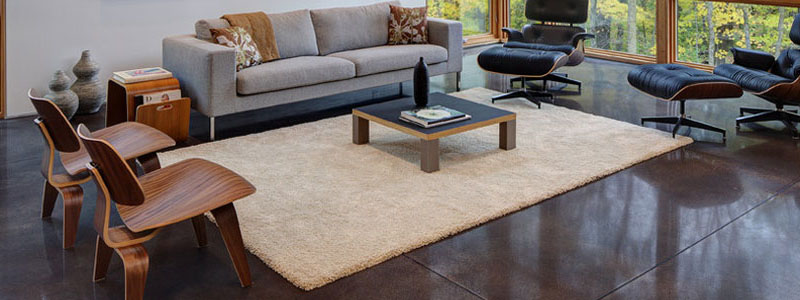
First impressions matter—especially in business. The moment a client, partner, or guest walks through your doors, the environment speaks volumes. One of the most underestimated elements of that first impression? The floor beneath their feet.
Concrete polishing has emerged as the gold standard for commercial interiors. It offers sleek aesthetics, extreme durability, and a professional finish that doesn’t just look good—it performs. From showrooms to schools, retail to restaurants, polished concrete turns heavy-duty function into high-end form. It’s more than a flooring solution. It’s a business asset.
Concrete Polishing Contractors: Experts That Bring Floors to Life
Choosing the right concrete polishing contractors is the linchpin of a successful commercial flooring project. These aren’t just floor installers—they’re surface specialists who understand the science of concrete. They bring knowledge in curing rates, slab hardness, moisture mitigation, and aggregate exposure levels.
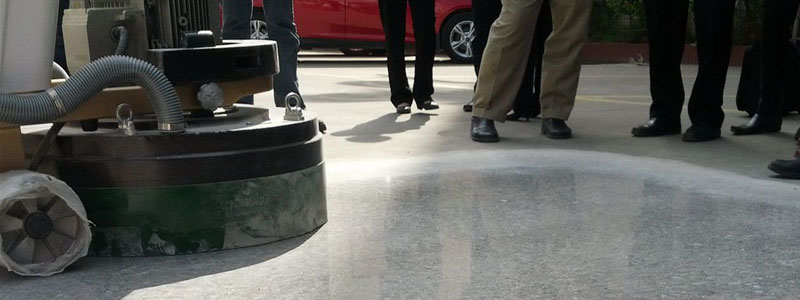
The best contractors don’t just polish. They assess substrate conditions, evaluate foot traffic demands, and offer tailored finishes that blend utility with design. Whether it’s a matte industrial look or a mirror-like showroom gloss, expert teams use planetary grinders, densifiers, and sealants with surgical precision. And they do it all with minimal disruption to business operations—often working nights or weekends to get the job done efficiently and unobtrusively.
Concrete Floor Polishing Contractors: Key to Long-Lasting Performance
Not all concrete floors are created equal. Commercial settings demand high-performance surfaces that can endure relentless wear, spilled coffee, dragging furniture, and the pitter-patter of hundreds—if not thousands—of footsteps a day. Concrete floor polishing contractors specialize in fortifying these spaces.
These professionals understand the intricacies of high-traffic environments. They know where to reinforce edges, how to create slip-resistant finishes, and when to add a stain or guard for enhanced aesthetic and protection. Many also offer maintenance plans, ensuring your investment remains luminous for years to come.
Look for contractors who use industrial-grade equipment, eco-friendly products, and provide transparent, itemized estimates. Longevity starts with craftsmanship.
Concrete Polishing Bids: What to Look For Beyond the Price
When gathering concrete polishing bids, cost is just one piece of the puzzle. A lower price might seem attractive on the surface, but hidden shortcuts can lead to costly corrections down the road.
A comprehensive bid should include:
- Surface prep details (grinding, patching, leveling)
- Grit progression (how many stages of grinding and polishing)
- Chemical treatments (densifiers, stains, sealers)
- Timeframe and scheduling details
- Post-job maintenance recommendations
Seasoned bidders will also walk the site in person and ask questions about foot traffic, lighting, and client expectations. Beware of bids that are vague or too “one-size-fits-all.” Polishing concrete isn’t a commodity—it’s a craft.
Concrete Polishing Commercial Projects: Built for Scale and Style
Concrete polishing commercial projects can range from boutique spaces to sprawling warehouses. Regardless of size, the goals remain consistent: durability, cleanliness, and brand-aligned aesthetics. Commercial-grade polished concrete resists staining, handles heavy equipment, and creates an inviting environment for customers and employees alike.
These projects demand a blend of logistics and artistry. Coordinating access schedules, power availability, curing times, and surrounding construction activity is critical. Expert contractors often phase large-scale jobs to minimize disruption while ensuring consistent finishes throughout.
Polished concrete is also a sustainable choice—eliminating the need for additional flooring materials and leveraging the existing slab. For LEED-certified buildings or companies looking to reduce environmental impact, it checks all the right boxes.
Concrete Polishing Businesses: Turning a Floor into a Brand Statement
For many concrete polishing businesses, this service isn’t just about floors—it’s about transforming perception. A well-polished floor can evoke cleanliness, modernity, sophistication, and attention to detail. In commercial spaces, the floor sets the tone.
In hotels, polished concrete adds a touch of minimalistic luxury. In medical clinics, it projects sterility and hygiene. In retail, it reflects light and products, making every item pop. Polishing businesses that understand these nuances become partners in branding—not just flooring vendors.
Smart businesses treat their floors like walls or signage—an opportunity to reinforce their image. Colored dyes, saw-cut patterns, embedded logos, and custom gloss levels turn utilitarian surfaces into a visual narrative.
Final Thoughts: Function Meets Aesthetics in Commercial Flooring
Polished concrete offers a rare blend of brawn and beauty—making it a cornerstone of modern commercial design. It’s resilient against daily abuse yet graceful in appearance. It streamlines cleaning routines while elevating visual appeal. And perhaps most importantly, it tells your clients and staff: we care about the details.
From factories to fashion boutiques, polished concrete adapts to the space and story it’s placed in. It’s more than just a trend—it’s a timeless, practical upgrade that supports business from the ground up.
Let’s Elevate Your Commercial Floors
At Polished Concrete Michigan, we specialize in commercial concrete polishing that combines aesthetics, endurance, and professional integrity. Whether you need a durable solution for your warehouse or a custom-polished floor for a flagship store, our team delivers results that stand the test of time—and traffic.
Request a commercial bid today and let’s craft floors that reflect your brand’s excellence.
Frequently Asked Questions
- How long does it take to polish a commercial concrete floor?
Timeframes vary based on the square footage, condition of the slab, and desired finish. A small retail shop may be completed in 2–3 days, while larger facilities such as warehouses or schools could take a week or more. Time is also influenced by the number of polishing stages, curing needs, and any custom design work. - Can polished concrete handle heavy machinery and forklifts?
Absolutely. Polished concrete is not only hard-wearing but also densified to resist abrasion and pressure. Many commercial facilities use it under forklifts, pallet jacks, and rolling carts daily. It also reduces tire marks and improves traction compared to untreated concrete. - Will polished concrete help with lighting or energy efficiency?
Yes. One of the lesser-known benefits of polished concrete is its reflectivity. Glossy surfaces can bounce ambient and artificial light, reducing the need for additional fixtures. This often leads to lower utility costs and a brighter, more pleasant work environment—especially in large warehouses or showrooms. - Is polished concrete slippery when wet in commercial settings?
While polished concrete is smooth, it isn’t inherently slippery. That said, in areas prone to moisture, contractors can apply slip-resistant additives or finishes. Many commercial spaces use matte finishes or micro-textures in entryways and bathrooms to mitigate risk.
5. How often should commercial polished concrete be maintained?
Maintenance depends on foot traffic and usage. Daily dry mopping and weekly damp mopping with a neutral cleaner are usually sufficient. In high-traffic areas, a re-burnish or re-application of protective guard every 1–2 years keeps the surface pristine. Many contractors also offer maintenance contracts to simplify upkeep. Stabil Fundary