Freshly poured concrete is like a blank canvas—strong, raw, and full of potential. But without protection, that canvas can quickly crack, stain, or weather under the pressures of daily life and harsh environments. Whether it’s a new driveway, a garage floor, a backyard patio, or an indoor slab, sealing new concrete is essential to preserving its integrity and appearance.
A proper sealer doesn’t just repel moisture or prevent discoloration. It extends the lifespan of the surface, safeguards against freeze-thaw cycles, oil spills, and UV damage, and even enhances the concrete’s natural color and texture. Done right, it transforms concrete from vulnerable to virtually indestructible.
Sealing New Concrete: Timing, Types, and Techniques
When it comes to sealing new concrete, timing is everything. Seal too early, and you trap moisture that hasn’t fully evaporated, which can lead to whitening or blistering. Wait too long, and contaminants may embed into the pores of the slab. The sweet spot is typically 28 days after pour, once the concrete has cured fully and moisture levels have stabilized.
There are two primary types of sealers:
- Penetrating sealers, like silane or siloxane, soak deep into the concrete and provide long-term protection from within—ideal for outdoor surfaces exposed to rain and snow.
- Film-forming sealers, like acrylics or urethanes, sit on top of the concrete, creating a glossy or matte finish. These are best for indoor areas or decorative concrete where aesthetics matter as much as durability.
Proper surface prep is crucial: remove dust, stains, and residue before sealing. Then apply evenly with a roller or sprayer, allow it to absorb or cure, and enjoy the confidence of a protected surface built to last.
Sealing New Concrete Driveway: First Line of Defense
A new concrete driveway is a major investment—both functionally and aesthetically. Sealing it is the best insurance against tire marks, oil leaks, de-icing salts, and weather-induced cracking.
Driveways endure constant exposure to the elements. Sealing them with a penetrating, breathable sealer helps prevent moisture infiltration, which is the leading cause of surface spalling in colder climates. In warmer regions, a UV-resistant sealer can help prevent fading and surface chalking.
Experts recommend sealing a driveway every 2–3 years, depending on weather and usage. A well-maintained, sealed driveway not only performs better but maintains a cleaner, more polished appearance year-round.
Sealing New Concrete Garage Floor: Fortifying the Workspace
The garage floor often bears the brunt of daily abuse—hot tires, oil spills, road salt, and heavy equipment. Sealing a new concrete garage floor strengthens it against stains and wear, making cleanup faster and extending its service life.
Epoxy and polyurethane sealers are popular for garages, offering a durable, often glossy finish that resists chemicals and abrasion. For a more natural look, penetrating sealers still offer robust protection without altering the concrete’s appearance.
Before sealing, the floor must be free of dust and completely dry. For optimal results, the sealer should be reapplied every few years—or sooner in high-use garages—to maintain peak performance.
Concrete Slab Sealing: Foundation-Level Protection
Whether for a basement, crawl space, or indoor flooring system, sealing a concrete slab is foundational to long-term performance. Unsealed slabs are vulnerable to ground moisture, vapor transmission, and even radon gas infiltration.
A penetrating sealer not only reduces water absorption but also helps strengthen the slab’s surface. For slabs that will later be covered with flooring—like tile, carpet, or wood—vapor-blocking sealers prevent future issues like mold, mildew, or adhesive failure.
If the slab will be exposed (like in polished concrete flooring), a combination of densifier and topical guard can add both protection and shine.
Sealing a Concrete Floor: Indoors Deserve Defense, Too
Concrete isn’t just for exteriors. Sealing a concrete floor inside a home or business improves cleanliness, boosts stain resistance, and helps the floor maintain its finish.
For kitchens, mudrooms, or finished basements, water-based acrylics or polyurethanes work well. These sealers provide light-enhancing clarity and resist everyday messes—from spilled coffee to muddy footprints. Some even include anti-slip additives, ideal for bathrooms or laundry rooms.
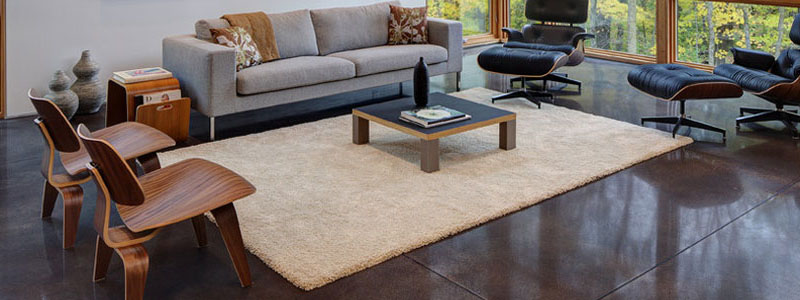
Sealed indoor concrete is easier to sweep, mop, and maintain. It also creates a cleaner, more refined atmosphere—turning raw concrete into a statement piece that performs as well as it looks.
Sealing a Concrete Patio: Outdoor Elegance That Endures
Sealing a concrete patio helps it resist rain, UV rays, dirt buildup, and freeze-thaw damage. It also enhances color and texture, particularly if the patio features stamped or stained concrete.
Look for a breathable, UV-stable penetrating sealer if your patio gets full sun. For decorative finishes, a low-gloss or satin acrylic sealer brings out detail without adding excessive shine. Anti-slip additives are highly recommended, especially for patios near pools or in regions with regular rain.
Sealing should be part of your seasonal prep—ideally in spring or early fall. Regular resealing every 2–4 years will keep your outdoor space beautiful and safe through every season.
The Final Finish: Longevity Starts with Sealing
Concrete is strong, but it’s not invincible. Left unsealed, even the best-poured slab will weather, stain, and erode with time. But with the right sealer and a thoughtful application, your concrete can go from merely functional to remarkably resilient.
Whether it’s the elegance of a sealed patio, the hard-working grit of a garage floor, or the seamless polish of an indoor slab, sealing is the finishing touch that ensures beauty and endurance for years to come.
Protect What You’ve Built—Start Sealing Today
At Polished Concrete Michigan, we specialize in sealing new and existing concrete with precision and purpose. From garage floors to patios and everything in between, we help you preserve and elevate every surface.
Reach out for a free quote or consultation. Let us help you seal the deal—with durability you can count on and craftsmanship you can see.
Frequently Asked Questions
- How soon can I seal newly poured concrete?
Typically, concrete should cure for at least 28 days before sealing. This allows internal moisture to evaporate and the slab to reach optimal strength. Sealing too early can trap moisture, leading to bubbling, hazing, or a weaker bond. If conditions are dry and warm, some breathable sealers can be applied sooner, but it’s always best to follow the sealer manufacturer’s guidelines or consult a professional. - How long does concrete sealer last?
The lifespan of a concrete sealer depends on the type used and the conditions the surface is exposed to. Penetrating sealers can last up to 10 years, especially in low-traffic areas. Acrylic and topical sealers typically last 2–4 years and may require more frequent reapplication in high-use areas like driveways or garages. Regular cleaning and avoiding harsh chemicals can help extend the life of any sealer. - Will sealing concrete change its appearance?
Yes, but how much depends on the type of sealer. Penetrating sealers are virtually invisible once applied and maintain a natural matte look. Film-forming sealers like acrylics can add a sheen—ranging from satin to high-gloss—and can deepen the color of the concrete. Stamped or stained concrete often looks richer and more defined after sealing, making decorative features pop. - Do I need to re-seal concrete every year?
Not usually. Most residential applications only require re-sealing every 2 to 3 years, though high-traffic or exposed surfaces may benefit from annual inspections. You can test your sealer’s effectiveness by applying water to the surface—if it beads up, your sealer is still working. If the water darkens or soaks in, it’s time to reseal. - Can I seal concrete myself, or should I hire a professional?
While DIY sealing is possible—especially with over-the-counter products and small surfaces—professional sealing ensures proper surface prep, correct product selection, and even application. For high-value areas like driveways, patios, or decorative indoor concrete, professional work tends to last longer, look better, and offer peace of mind. Improper DIY sealing can result in bubbling, streaks, or reduced durability.