Polished concrete has transcended its industrial roots. What was once reserved for warehouses and factory floors has now become a design darling in homes, boutique shops, and upscale commercial interiors. Its clean lines, effortless maintenance, and undeniable durability make it an ideal choice for bathrooms, kitchens, and other indoor applications.
Today’s polished concrete isn’t cold or utilitarian—it’s warm, sophisticated, and endlessly customizable. With the right finish and care, it becomes the perfect foundation for both style and functionality in your most-used spaces.
Polished Concrete Floors in Bathroom Spaces: Beauty That Defies Moisture
Installing polished concrete floors in bathrooms may seem unconventional, but it’s quickly gaining popularity among homeowners looking for elegance with durability. Unlike tile, which can shift or crack over time, concrete is a seamless slab—eliminating grout lines and reducing opportunities for mold and mildew to take hold.
With the application of a proper penetrating sealer, polished concrete becomes highly resistant to water. This makes it ideal for humid, moisture-prone environments like bathrooms. It’s also naturally slip-resistant when finished with a satin or matte gloss, and temperature-controlled when paired with radiant heating systems.
Beyond practicality, polished concrete offers a minimalist and spa-like aesthetic. Add color stains or embedded aggregates, and the bathroom floor becomes a design feature in itself—clean, tranquil, and utterly unique.
Best Commercial Polished Concrete Floors: Built for Impact and Appeal
Best commercial polished concrete floors strike the perfect balance between performance and presentation. Whether in high-traffic retail, hospitality venues, showrooms, or office spaces, these floors endure the daily grind—literally and figuratively—while maintaining their glossy good looks.
Commercial-grade polished concrete starts with aggressive surface prep and densification, ensuring the surface can withstand heavy footfall, carts, and even equipment. In many cases, contractors incorporate custom color dyes, logos, or saw-cut patterns to reinforce brand identity.
One of the greatest advantages? Low lifetime cost. With minimal upkeep, these floors retain their shine and structural integrity for decades. They also reflect natural and artificial light, brightening spaces and lowering energy use—a subtle but powerful asset in professional environments.
Polished Concrete Floors in Home Interiors: Seamless Sophistication
More homeowners are turning to polished concrete floors in the home as they move away from high-maintenance, high-cost materials like wood or tile. Concrete delivers a modern look while being rugged enough to handle kids, pets, spills, and everyday wear.
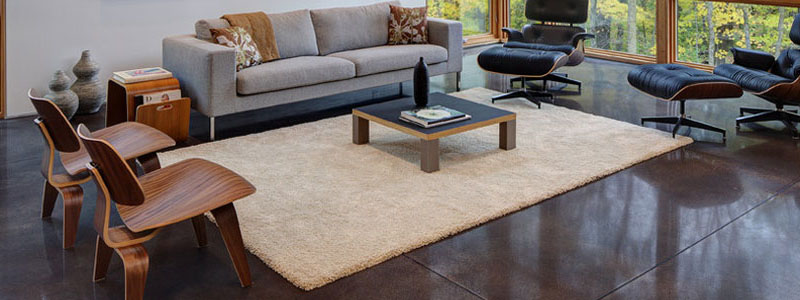
In living rooms, polished concrete pairs beautifully with area rugs and textured furniture, adding depth without distraction. In hallways and entryways, it holds up against dirt and moisture. And in kitchens, it offers an impervious surface that handles heavy appliances and splashes with ease.
Its greatest strength lies in its seamlessness. Without grout lines, thresholds, or seams, it gives your home a unified, expansive feel. Choose a high-gloss finish for reflectivity or a low-sheen matte for quiet luxury.
Exposed Aggregate Polished Concrete Floors: Textured, Timeless, and Tough
Few finishes are as visually captivating as exposed aggregate polished concrete floors. By grinding back the concrete’s surface to reveal the stones, pebbles, or recycled glass beneath, you create a textured and dynamic look that feels both natural and refined.
This style works exceptionally well in both indoor and transitional spaces—like sunrooms, foyers, or bathrooms—where a bit of organic texture adds warmth. Each slab is inherently unique, and the level of exposure can be customized: light (salt-and-pepper), medium, or full aggregate.
Not only does it add visual richness, but exposed aggregate also enhances traction underfoot—an important safety feature in wet or slippery areas.
How Much Do Polished Concrete Floors Cost? A Smart Long-Term Investment
When it comes to how much polished concrete floors cost, the answer depends on the level of customization and the condition of the existing slab. For standard residential applications, expect pricing between $4 to $12 per square foot.
Here’s a breakdown:
- Basic matte finish: $4–$6/sq. ft.
- High-gloss finish with color dye: $7–$10/sq. ft.
- Decorative aggregate or terrazzo-style finishes: $10–$15+/sq. ft.
While the upfront investment may be higher than vinyl or carpet, polished concrete offers superior durability, requires minimal maintenance, and rarely needs replacement. Over 20 years, it can outperform most other flooring options in cost and performance.
Best Concrete Polished Floors: What Sets Them Apart?
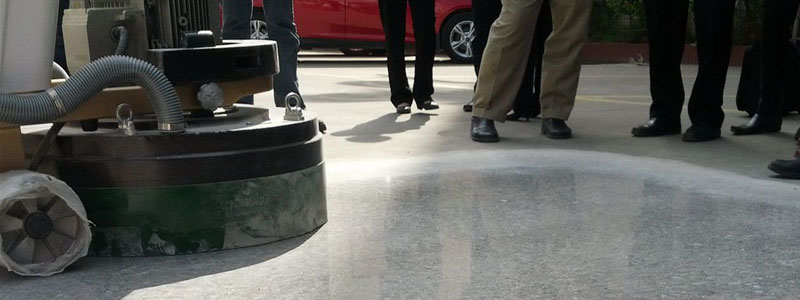
The best concrete polished floors are a product of precise workmanship, expert timing, and the right materials. They start with a properly cured slab, free from excessive moisture or contaminants. From there, experienced professionals use progressive diamond grinding and densifiers to strengthen and refine the surface.
Great floors also reflect the space’s personality. In a loft-style home, they might have a raw, industrial edge. In a boutique hotel, they gleam underfoot with rich color undertones and clean reflectivity. What defines the “best” is not just the gloss level—it’s the harmony between function and form.
When installed properly, polished concrete enhances acoustics, improves lighting efficiency, and contributes to LEED-certified building goals. It’s flooring that does more than look good—it works intelligently with the space.
How to Make Polished Concrete Floors: The Artisan’s Approach
So you’re curious about how to make polished concrete floors? The process is equal parts science and art.
- Preparation: Old flooring is removed, the slab is cleaned, and any cracks or joints are repaired.
- Initial Grinding: Coarse diamonds are used to flatten and remove surface contaminants.
- Densification: A chemical hardener is applied to increase surface density and longevity.
- Polishing: Multiple passes with finer abrasives gradually bring out the floor’s shine.
- Color/Stain (Optional): Stains or dyes are added for depth and personality.
- Guard or Sealant: Applied to enhance stain resistance and preserve sheen.
Each floor requires subtle adjustments based on hardness, age, and moisture content. A skilled contractor reads the concrete like a map—understanding where to push and where to preserve.
A Foundation That Transcends Trends
Polished concrete isn’t a passing fad—it’s a design evolution rooted in resilience, simplicity, and beauty. Whether in a serene bathroom, a bustling commercial kitchen, or the heart of a modern home, concrete’s adaptability is unmatched.
It reflects more than light. It reflects intention. It reflects a desire for materials that endure, adapt, and elevate the everyday.
Let’s Elevate Your Interior Spaces
At Polished Concrete Michigan, we specialize in bringing style and strength together underfoot. Whether you’re building a new home, remodeling a bathroom, or upgrading a commercial space, our expert team delivers polished concrete that exceeds expectations.
Schedule your free consultation today and explore the best flooring your home or business has never had—until now.
Frequently Asked Questions
- Can polished concrete floors be used in bathrooms without slipping?
Yes. Polished concrete can be finished with a satin or matte sheen, which provides better traction in wet areas. Additionally, micro-etching or non-slip sealers can be applied for added safety. With proper maintenance, polished concrete offers both beauty and function in bathrooms without becoming dangerously slick. - How long do polished concrete floors last indoors?
With proper installation and maintenance, polished concrete floors can last 20–30 years or more. Unlike coatings that chip or peel, the polish is integrated into the slab itself. Over time, periodic burnishing or resealing may refresh the surface, but replacement is rarely needed—making it an exceptionally long-lasting flooring solution. - Are polished concrete floors cold underfoot?
Concrete can feel cooler than wood or carpet, especially in colder months. However, its thermal mass helps regulate indoor temperature, absorbing and releasing heat gradually. When paired with radiant floor heating, polished concrete provides cozy, even warmth, making it ideal for bathrooms and kitchens. - How do polished concrete floors compare to tile in kitchens?
Polished concrete outperforms tile in several areas. It has no grout lines to stain, is more resistant to impact, and offers a more seamless aesthetic. Tile can crack if dropped on, while polished concrete is more forgiving. It’s also easier to clean and requires less long-term maintenance compared to grout-sealed tile floors. - Can existing indoor concrete floors be polished?
Absolutely. As long as the slab is structurally sound and free from excessive moisture or contaminants, it can be polished. Surface preparation may involve removing old adhesives or coatings, patching cracks, and evaluating slab hardness. Even older concrete can be transformed into a gleaming, high-performance surface with the right treatment.