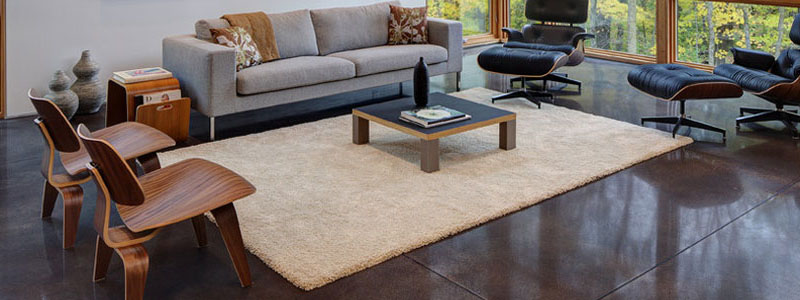
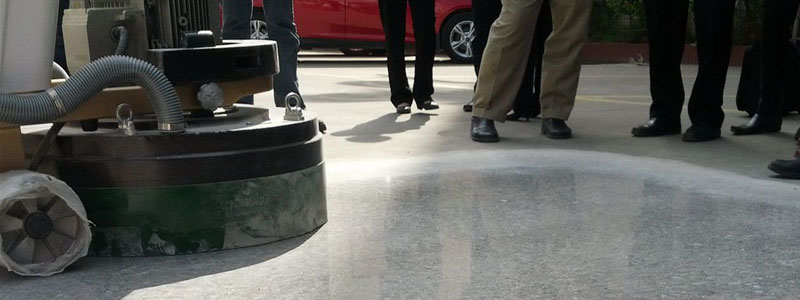
Polished concrete floors have emerged as a timeless, durable, and visually stunning choice for both modern homes and commercial spaces. Their reflective beauty, combined with remarkable resilience, makes them a favored alternative to tile, wood, and vinyl. But beyond the surface shine lies a question many ask first: what’s the cost? And what’s involved in getting that mirror-like finish underfoot?
From price of polished concrete floors to long-term care and maintenance, this guide unpacks the true value of polished concrete—financially and functionally.
Price of Polished Concrete Floors: What to Expect
The price of polished concrete floors depends on several variables—each as unique as the slab itself. On average, professionally installed polished concrete runs between $3 to $12 per square foot. That wide range reflects different levels of grinding, desired shine, color options, and surface preparation needs.
For basic, matte-finish polishing on a new, unblemished slab, pricing tends to fall on the lower end. Add color dyes, stenciled patterns, or aggregate exposure, and the cost naturally climbs. If the concrete is damaged, stained, or requires significant prep (like glue removal or leveling), labor costs increase accordingly.
In basements or garages where access may be limited, additional labor and equipment maneuvering can also nudge pricing upward. However, it’s worth remembering: polished concrete is not just a flooring choice—it’s an investment. With proper care, it can outlast many other surfaces by decades.
How to Care for Polished Concrete Floors: Preserving the Shine
Once installed, polished concrete rewards you with a low-maintenance lifestyle. But how to care for polished concrete floors is still an essential part of maximizing their longevity and luster.
Daily dust mopping removes fine particles that act like sandpaper over time. Weekly damp mopping with a pH-neutral cleaner helps maintain clarity without dulling the surface. Avoid harsh chemicals or acidic cleaners, which can etch or cloud the finish.
In high-traffic areas—such as entryways or commercial zones—occasional burnishing restores the surface’s sheen. Some homeowners opt for a reapplication of guard or stain protectant every few years, especially in spill-prone areas like kitchens or basements.
The golden rule? Clean spills quickly. And treat your polished floor with the same respect you’d offer hardwood or tile—because it’s every bit as refined.
Indoor Polished Concrete Floors: Where Function Meets Flair
Indoor polished concrete floors effortlessly straddle the line between utility and elegance. They’re smooth underfoot, easy to clean, and resistant to allergens—making them ideal for families, pet owners, and design-forward homeowners alike.
In living rooms, they reflect natural light, making even small spaces feel expansive. In kitchens, they shrug off spills, foot traffic, and dropped pans. In bedrooms, they offer a cool, calming palette that complements everything from bohemian textiles to minimalist décor.
Plus, they’re environmentally friendly. Polished concrete repurposes your existing slab—no need for additional materials like wood or vinyl. It’s a sustainable solution that helps regulate indoor temperature thanks to its thermal mass, leading to more efficient heating and cooling.
How to Make Polished Concrete Floors Shine Again
Even the most radiant floors can lose their sparkle over time. So how to make polished concrete floors shine becomes a question of technique and timing.
Start with a thorough clean using a microfiber dust mop. Follow with a damp mop using a neutral cleaner formulated for polished concrete. If the floor still looks dull, consider a high-speed burnisher—a tool that buffs the surface using heat and friction to revive the shine.
For more stubborn dullness, a professional reburnish or reapplication of a guard can dramatically enhance clarity and reflectivity. If your floor has scratches or wear in traffic lanes, a light repolishing using finer diamond abrasives may be necessary.
Routine maintenance is minimal, but periodic attention goes a long way in keeping that radiant, glass-like finish alive and well.
Polished Concrete Floors How To: The Process, Step by Step
Curious about polished concrete floors how to? Whether you’re hiring a pro or just want to understand the process, the steps are both methodical and mesmerizing.
- Preparation: The slab is cleaned, cracks are repaired, and any coatings or adhesives are removed.
- Grinding: Coarse diamond abrasives begin the leveling and flattening process.
- Honing: Finer grits smooth the surface, revealing the desired level of aggregate (if any).
- Densifying: A chemical hardener penetrates the concrete, making it stronger and dust-proof.
- Polishing: Multiple passes with increasingly fine grits create a glossy, reflective finish.
- Sealing or Guarding: A protective layer is applied to resist stains and simplify cleaning.
Each floor responds differently. The skill lies in adjusting the method to match the concrete’s character.
How to Get Polished Concrete Floors: Your Options
Wondering how to get polished concrete floors into your space? You have a few pathways.
For new construction, request that your builder leaves the slab exposed and smooth. This allows polishing to occur after curing, saving on demo and prep. For existing homes or renovations, a contractor will inspect the slab’s condition to determine whether it’s suitable for polishing.
Some adventurous homeowners take on polishing as a DIY project—but professional results typically require commercial-grade equipment, experience, and a refined eye for detail. Hiring seasoned pros ensures a uniform, durable finish that aligns with your design goals and structural realities.
Polished Concrete Floors in Basement Spaces: Bright, Clean, and Dry
Polished concrete floors in basements are a match made in heaven. Unlike carpet, which traps moisture and mold, or laminate, which can warp, polished concrete remains steady in the face of humidity and hydrostatic pressure.
Densified and sealed properly, it resists moisture penetration and stays easy to clean. Its reflective quality helps brighten an often dim space, creating a more inviting atmosphere. Want a cozy feel? Add area rugs, throw pillows, and soft lighting—polished concrete is a neutral canvas for any aesthetic.
In flood-prone areas, it’s also a practical insurance policy. No replacement needed. Just dry it out, clean it, and move forward.
Final Thoughts: The Value Beneath Your Feet
Polished concrete isn’t just a flooring option—it’s a lifestyle decision. It’s for those who appreciate elegance without fuss, and durability without compromise. Whether it’s glistening under pendant lights in the kitchen or grounding your basement in resilience and shine, polished concrete stands as a symbol of modern practicality.
From price to polish, it offers unmatched value when done right. And when cared for, it pays dividends year after year.
Ready to Transform Your Floors?
At Polished Concrete Michigan, we’re passionate about bringing high-performance beauty to every surface. Whether you’re pricing out a new build, renovating an older space, or looking for a long-term solution, our team is ready to help.
Get a free consultation and estimate today. Discover what’s possible beneath your feet.
Frequently Asked Questions
- Is polished concrete more affordable than tile or hardwood?
In most cases, yes. Polished concrete costs between $3–$12 per square foot, depending on customization. While tile and hardwood may have similar starting prices, their installation, materials, and maintenance costs tend to be higher over time. Polished concrete requires fewer replacements or repairs, making it a more budget-friendly long-term solution. - How long does it take to install polished concrete floors?
Timing depends on the condition of the concrete and the size of the space. Most residential floors can be completed within 2–5 days. New construction with open access moves faster, while renovation projects requiring old flooring removal or extensive prep may take longer. Each polishing stage—from grinding to sealing—requires time for curing and inspection. - Will polished concrete crack over time?
Concrete naturally develops small hairline cracks due to settling or environmental conditions. Polishing does not prevent this, but it can minimize their appearance. Many cracks can be filled during prep, and once polished, they often become part of the floor’s unique character. Control joints are used to manage movement and reduce unsightly breaks. - Can I change the finish later if I want a different look?
Absolutely. Polished concrete is incredibly versatile. You can regrind it for a higher gloss, apply stains for a new color, or even switch to a matte finish with the right tools. Professionals can also introduce patterns, saw cuts, or overlays to reinvent the surface without starting from scratch. - Are polished concrete floors slippery?
Polished concrete can appear slippery due to its gloss, but it typically offers better slip resistance than you’d expect—especially when dry. In wet areas, slip-resistant treatments or matte finishes can be applied. It’s also less slick than many sealed surfaces like tile or vinyl when properly maintained.