The floor beneath our feet often goes unnoticed—until it becomes a problem, or a showpiece. When selecting the ideal flooring for a home, garage, or commercial space, the debate between epoxy and polished concrete floors comes up often. Both offer sleek appearances and superior durability, but each brings its own strengths, limitations, and personality to a space.
From aesthetic potential to maintenance demands, this comparison offers a deep dive into which option best suits your lifestyle, budget, and design vision.
Epoxy vs Polished Concrete Floors: A Face-Off of Form and Function
When comparing epoxy vs polished concrete floors, it helps to understand what sets them apart at the core.
Epoxy is a coating—a resin-based surface applied over concrete. It comes in a dazzling array of finishes: metallic swirls, quartz infusions, solid colors, and high-gloss sheens. It’s prized for its chemical resistance, making it a go-to for garages, kitchens, and medical environments.
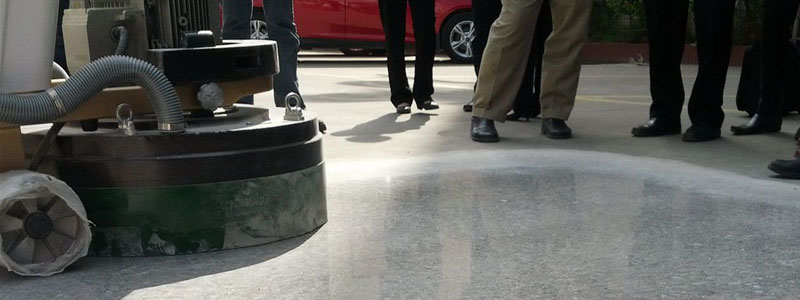
Polished concrete, by contrast, is not a coating but a refinement of the existing slab. It involves grinding the surface with progressively finer diamonds, then treating it with densifiers and guards. The result is a hardened, glossy floor that reflects light and can last decades.
Epoxy offers more color intensity and uniformity. Polished concrete offers sustainability and lower long-term maintenance. One is applied. The other is revealed.
Polished Concrete Floors Commercial: Industrial Strength Meets Elegance
Polished concrete floors in commercial settings have surged in popularity for good reason. They’re built to withstand the storm—foot traffic, rolling carts, dirt, moisture, and whatever else the day brings. Yet they do it with subtlety and style.
Retail stores benefit from polished concrete’s ability to bounce natural light, reducing the need for excess artificial lighting. Warehouses love its resistance to tire marks and dust. Office spaces are drawn to its clean, contemporary aesthetic. It’s a floor that says, “We’re serious about design—and practicality.”
Epoxy may still have its place in commercial kitchens or chemical-heavy areas, but when it comes to aesthetics fused with endurance, polished concrete sets the gold standard.
Dark Polished Concrete Floors: Drama from the Ground Up
There’s something magnetic about dark polished concrete floors. Rich graphite tones, deep charcoals, or near-blacks introduce a level of sophistication that instantly elevates a space. Whether used in a modern living room, upscale restaurant, or high-tech showroom, dark hues create visual depth and a grounded, moody ambiance.
These tones can be achieved through integral coloring, surface dyes, or stains applied before polishing. The sheen of a polished surface adds dimension—capturing light while maintaining a shadowy elegance.
It’s worth noting: dark floors do require more frequent cleaning to maintain their visual impact, as dust and smudges show more readily. But for those seeking bold, contemporary vibes, dark polished concrete delivers drama without excess.
Polished Concrete Floors Colors: Endless Possibilities Beneath Your Feet
Gone are the days when concrete was synonymous with dull gray. Today, polished concrete floors in colors span a rich spectrum—earthy browns, warm ambers, oceanic blues, and even vibrant reds or greens.
Color is typically added using stains or dyes. Acid-based stains create mottled, variegated patterns, ideal for rustic or old-world looks. Water-based dyes, on the other hand, offer more uniform, vivid colors perfect for modern or industrial interiors.
Coloring does not affect the integrity of the concrete, but it can transform its tone and character. Combine with custom saw cuts or stencils for a completely bespoke floor that reflects personal style or brand identity.
Polished Concrete Home Floors: Minimalism Meets Warmth
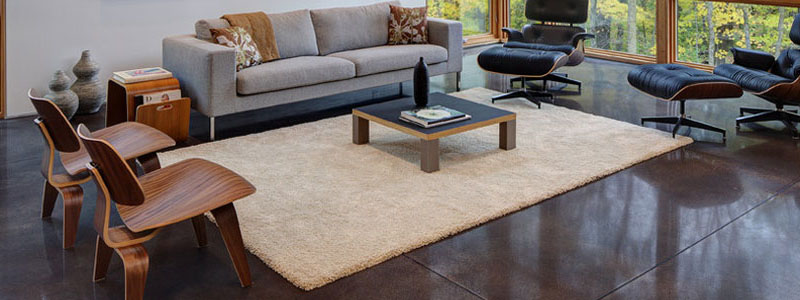
Polished concrete home floors are increasingly sought after in contemporary design. They’re sleek without being sterile, durable without looking industrial, and surprisingly cozy—especially when paired with radiant heating or area rugs.
In kitchens, polished concrete resists spills and dropped pans. In living rooms, it becomes a canvas for texture—juxtaposing beautifully with soft furnishings and wood. In bedrooms, it keeps allergens at bay and reflects natural morning light.
Plus, concrete holds thermal mass, which means it stabilizes indoor temperatures. Warm in winter, cool in summer. A smart and sustainable choice for any modern dwelling.
Do It Yourself Polished Concrete Floors: A Labor of Love
Tackling do it yourself polished concrete floors is possible—but not for the faint of heart. This isn’t a weekend project with a roller and a dream. True polishing requires heavy machinery, diamond grinding pads, chemical densifiers, and the know-how to transition between grit levels without over- or undercutting the surface.
DIY kits exist, but often fall short of the finish achieved by professional polishing. However, for smaller areas like workshops or garden rooms, a dedicated DIYer with rented equipment and patience can achieve surprisingly satisfying results.
Just be prepared for dust, noise, and a steep learning curve. The payoff? A floor you can point to with pride and say, “I did that.”
Flooring That Reflects More Than Just Light
Choosing between epoxy and polished concrete is about more than shine. It’s about lifestyle, maintenance, aesthetics, and purpose. Epoxy offers vibrant colors and excellent chemical resistance. Polished concrete gives you permanence, refinement, and a direct connection to the material beneath your feet.
One is bold and expressive; the other is understated and architectural. Either way, your space benefits from strength, longevity, and a touch of design intelligence.
Start Your Flooring Journey with Confidence
At Polished Concrete Michigan, we help homeowners and business owners navigate the path between epoxy and polished concrete with clarity. From design consultation to flawless installation, we’re committed to excellence from the first grind to the final polish.
Reach out today for a free quote and discover which finish is right for your space, your budget, and your lifestyle.
Frequently Asked Questions
- Which is more durable: epoxy or polished concrete?
Both finishes are highly durable, but they behave differently. Epoxy is a surface coating and may chip or peel over time—especially in areas with moisture vapor or heavy impacts. Polished concrete is integrated into the slab itself. It won’t peel, is resistant to abrasion, and can last decades with minimal upkeep. For garages or industrial environments, polished concrete is often more resilient long-term. - Can I change the color of my polished concrete later?
Yes, but with some limitations. Once concrete is polished, applying new color requires careful surface preparation—usually light grinding followed by a dye or stain application. Acid stains won’t work well on sealed or polished surfaces unless they’re stripped. Water-based dyes and topical tints are more viable but may require a fresh polish or burnish to lock them in. Consulting with a professional is highly recommended to avoid uneven coloring. - Is polished concrete colder than epoxy flooring?
Polished concrete and epoxy both share thermal characteristics typical of concrete substrates. Neither is inherently “warmer,” but concrete tends to feel cooler underfoot, especially in colder climates. However, polished concrete pairs beautifully with radiant heating systems, and retains heat well due to its thermal mass—keeping interiors warmer over time. - What’s the maintenance difference between epoxy and polished concrete?
Epoxy floors require reapplication or touch-ups every few years, especially in high-traffic or UV-exposed areas. They may yellow or fade over time without UV-resistant coatings. Polished concrete, on the other hand, requires minimal maintenance: regular dust mopping, occasional damp cleaning, and optional burnishing to refresh shine. It’s more “set it and forget it” in terms of upkeep. - Can I have polished concrete in a bathroom or kitchen?
Absolutely. Polished concrete is non-porous when densified and sealed properly. In bathrooms or kitchens, it resists spills, bacteria, and staining. Slip resistance can be added with matte finishes or micro-etching. Just be sure the floor is sealed appropriately and maintained regularly to prevent water ingress over time.