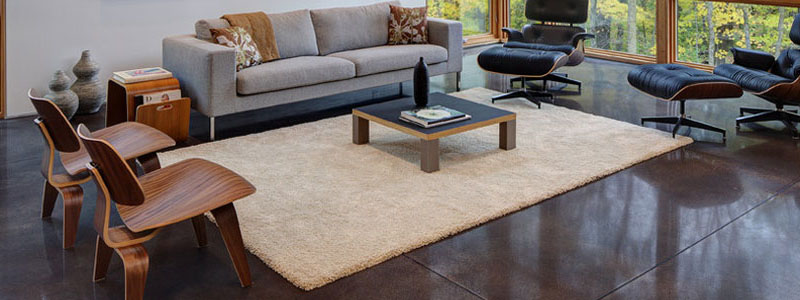
Every concrete floor tells a story. Some lie buried beneath decades of dust and grime, others sit in utilitarian spaces, waiting to shine. Whether it’s a garage, basement, or aging slab, concrete polishing has the power to breathe new life into the forgotten corners of your home. It transforms plain, porous surfaces into gleaming showcases of resilience, style, and practicality.
Not all concrete is created equal—especially in spaces prone to moisture, heavy wear, or irregular finishes. That’s where specialized polishing techniques come in. These methods are tailored to enhance durability, elevate aesthetics, and turn concrete from drab to dazzling.
Polishing Basement Concrete Floor: Dry, Durable & Designed to Last
The basement often serves as the underdog of the house—out of sight, underused, and underestimated. But a polished basement concrete floor can flip the script entirely. With its moisture resistance, sleek finish, and easy upkeep, polished concrete makes the basement feel less like a cellar and more like an extension of living space.
Basements come with their quirks. They’re often cooler, damper, and less uniformly poured than upper floors. Specialized polishing starts with thorough moisture testing and surface prep. Cracks are filled, high spots are leveled, and the slab is treated with a densifier to strengthen the surface from within. After progressive grinding and polishing stages, the result is a radiant floor that resists mold, allergens, and mustiness.
This isn’t just about looks—it’s about reclaiming space. Whether it’s a home gym, playroom, or entertainment zone, a polished basement floor lays the groundwork for transformation.
Polishing Garage Concrete Floors: Beauty Meets Brute Strength
The garage is no longer just a parking space—it’s a workshop, a showroom, a sanctuary for hobbies. And polishing garage concrete floors takes that utility and gives it style without compromising strength.
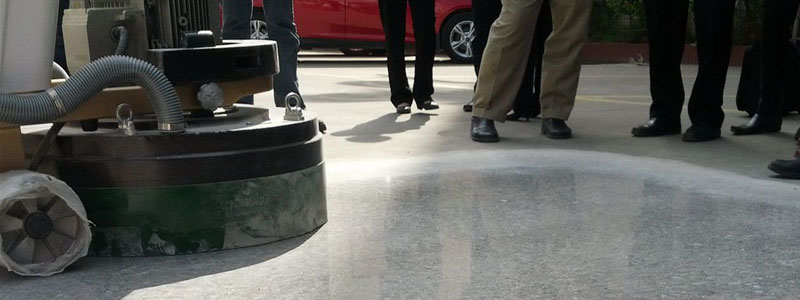
Garage floors endure a unique kind of abuse: oil stains, salt residue, hot tires, and heavy tools. That’s why garage polishing involves deep grinding to remove surface contaminants and open the pores of the concrete. From there, a densifier penetrates the slab, making it up to 10 times harder and more resistant to abrasion.
Polished concrete doesn’t peel like epoxy or chip like paint. It handles snow shovels and engine lifts without flinching. It’s easy to clean—just a broom and a mop—and the mirror-like surface elevates the entire garage’s aesthetic. Add in slip resistance and optional color staining, and you’ve got a space as tough as it is refined.
Polishing Existing Concrete Floors: A Second Chance at Beauty
There’s something poetic about polishing existing concrete floors—resurrecting surfaces from wear and neglect, and revealing the raw elegance beneath. Whether it’s a decades-old slab hidden beneath carpet glue or a tired floor exposed after renovation, existing concrete holds hidden potential.
The process begins with assessment. Contractors evaluate the floor’s flatness, integrity, and previous coatings or adhesives. Once cleared, the surface is ground down layer by layer until a clean, uniform canvas emerges. In many cases, imperfections—hairline cracks, light discoloration, embedded stones—become part of the charm, giving the floor an organic, one-of-a-kind look.
Polishing old concrete is sustainable, cost-effective, and uniquely rewarding. It preserves history while offering a modern, high-performance finish. Whether in a historic home, rental property, or renovated commercial space, existing concrete floors deserve a second act.
Polishing Concrete Garage Floor: More Than Just Tough
To emphasize the point, polishing a concrete garage floor is more than a durability upgrade—it’s a redefinition of space. No longer a dark, dusty zone, the garage can become an organized, well-lit workspace or even an extension of the home.
One key advantage of polishing over traditional garage coatings is longevity. There’s no risk of peeling or delamination over time. The surface resists automotive fluids and household chemicals alike. With a high-gloss finish, even the darkest corners feel brighter—thanks to increased light reflectivity.
Some homeowners opt for custom finishes: color dyes to match vehicles, saw-cut patterns, or even embedded logos. The garage becomes not just functional, but personal. It’s not about indulgence—it’s about investment.
The Finishing Touch: A Floor Worth Walking On
A floor is something we often overlook—until it cracks, stains, or starts crumbling beneath us. But polished concrete is a reminder that the everyday underfoot can be extraordinary. Whether in a basement reborn for family life, a garage prepped for projects, or an old floor rediscovered, polishing brings new depth, both visually and structurally.
It doesn’t just protect—it enhances. It doesn’t just shine—it strengthens. For spaces that deserve a second look and a lasting finish, polished concrete stands ready.
Let’s Talk About Your Floors
Polished Concrete Michigan offers tailored solutions for the most overlooked surfaces in your home. With years of expertise in residential garage, basement, and renovation projects, we deliver results that are both practical and visually striking.
Book a free consultation today to explore how we can transform your concrete into a surface that works harder, looks better, and lasts longer.
Visit us at PolishedConcreteMichigan.com
Frequently Asked Questions
- Can I polish a basement floor with moisture issues?
Polishing a basement floor that has moisture problems requires extra care. Contractors typically start with moisture testing using calcium chloride or relative humidity probes. If the slab shows high vapor emissions, mitigation methods such as topical sealers or vapor barriers may be necessary before polishing. In some cases, densifiers can help reduce permeability. Polishing itself can improve moisture resistance, but untreated moisture problems should always be addressed first to prevent future damage. - Will polishing my garage floor make it slippery?
Polished concrete may look slick, but it’s actually less slippery than many other hard flooring options, especially when dry. In garages, professionals often apply a penetrating densifier followed by a slip-resistant finish or grit additive to ensure traction. You can even request a matte polish for more grip. Regular cleaning also helps maintain a safe surface, as oil or dust buildup can temporarily reduce friction. - How long does it take to polish an existing concrete floor?
Timeframes vary based on the condition of the floor, its size, and the desired finish. A well-prepared 500-square-foot area can typically be polished in 1–2 days. Floors with heavy coatings, glue residues, or damage may take longer due to the extra prep involved. Custom finishes, such as coloring or pattern cuts, can also extend the timeline. A professional will provide a clear estimate based on the floor’s condition and complexity. - Is polished concrete better than epoxy for a garage?
Polished concrete offers superior durability and longevity compared to epoxy in many garage settings. It won’t peel or delaminate, and it’s more resistant to hot tire marks and chemical spills. While epoxy can offer more vibrant colors and designs, polished concrete provides a natural, clean look with minimal maintenance. It also performs better in temperature swings, making it ideal for garages exposed to varying climates.
5. Can you polish over painted or sealed concrete?
Yes, but the existing coating must be fully removed before polishing begins. Paint, sealers, or glue residues interfere with the mechanical grinding process and can prevent densifiers from penetrating properly. Contractors use heavy-duty grinders with aggressive diamond tooling to strip away these layers. Once bare concrete is exposed, the floor can be polished as usual, often revealing a much cleaner and brighter surface than before. Záloha Corebit