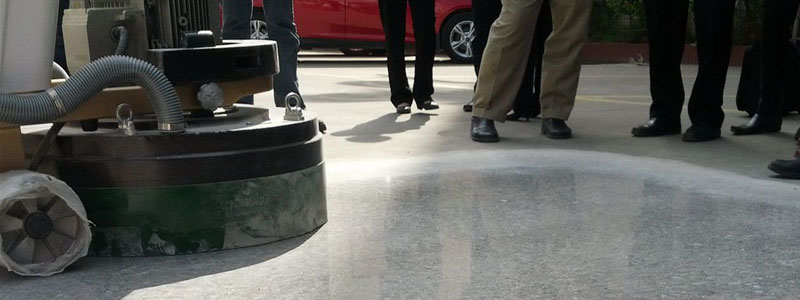
Polished concrete is more than just a finish—it’s a transformation. From dull and dusty slabs to gleaming, mirror-like floors, the journey requires the right tools, techniques, and knowledge. Whether you’re a contractor, property manager, or a curious homeowner looking to dive deep into surface restoration, having access to trusted resources makes all the difference.
Concrete is a living, breathing material. It reacts to its environment, absorbs its history, and reveals its personality with every grind. Polishing it properly isn’t guesswork—it’s a science paired with craftsmanship. The following insights and resources can help you navigate this rewarding process with clarity and confidence.
Concrete Polishing Systems: The Backbone of a Flawless Finish
Not all concrete polishing systems are created equal. At the heart of a great result lies the synergy between machinery, abrasives, chemical treatments, and methodology. A well-calibrated system ensures consistency, longevity, and that brilliant, glassy finish polished concrete is known for.
There are typically two categories: dry and wet systems. Dry polishing uses vacuums to collect dust, ideal for indoor jobs and cleaner job sites. Wet systems use water to cool grinding tools, which reduces friction and helps extend tool life. Professionals often toggle between the two depending on the floor’s condition, size, and desired finish.
High-end systems include multi-head grinders for even pressure, diamond tooling with varying grit levels, lithium-based densifiers for increased hardness, and sealers or guards for added protection. Each component plays a specific role—skip one, and the floor’s performance suffers.
A cohesive system, used by trained hands, can take even a worn, uneven slab and turn it into a showroom centerpiece.
Concrete Polishing Solutions: Tailored for Every Surface
There’s no one-size-fits-all when it comes to concrete polishing solutions. Each floor tells a different story—some are new, others are pockmarked with years of wear. That’s why the best polishing strategies are highly adaptive.
For new construction, solutions focus on timing the polish post-cure, using mid-grit passes to remove trowel marks, and finishing with densifiers that lock in the shine. For older or damaged concrete, deeper grinding is necessary to remove stains, coatings, or surface inconsistencies. Polishing in those cases involves not just aesthetic correction but structural rehabilitation.
Many polishing solutions also integrate decorative elements—like color dyes, saw-cut patterns, or exposed aggregate. Slip-resistant coatings and matte finishes cater to environments like hospitals or schools where safety is paramount.
A good solution isn’t just about grinding—it’s about matching the floor’s needs with the right chemical processes, tooling, and expectations. It’s about harmony.
Concrete Polishing Information: What You Should Know Before Starting
Access to accurate concrete polishing information is crucial before beginning any project. Polishing isn’t just about aesthetics—it’s a long-term investment in surface durability, maintenance simplicity, and energy efficiency.
First, understand the condition of your concrete. Is it soft, medium, or hard? Each type requires different tooling. Has it been sealed before? If so, stripping may be required. Are there contaminants like oil, glue, or paint? These need addressing before grinding even begins.
Next, consider usage. High-traffic areas like airports or retail stores require harder finishes with more passes and higher grit levels. Residential or decorative spaces might focus more on design elements and subtle sheen.
Lastly, know your budget—and understand what it includes. Quality polishing may cost more upfront, but pays dividends in longevity and reduced maintenance. A polished floor can last 20+ years with minimal upkeep, making it more cost-effective than many traditional flooring materials.
Rely on experienced contractors, manufacturer guidelines, and educational resources. The internet is flooded with opinions—seek proven protocols, not shortcuts.
Insights & Takeaways: Honing Craft and Concrete
Polishing concrete is equal parts precision and patience. Behind every radiant floor is a thoughtful plan, robust materials, and a team that knows how to read the story in each slab. With the right concrete polishing resources, success becomes not just possible—it becomes predictable.
Understanding systems, tailoring solutions, and absorbing reliable information forms the holy trinity of great results. Each step—each grit level—matters. There’s no fast track to excellence, but there is a clear path when you know where to look.
Invest in knowledge. Trust the process. And don’t settle for less than remarkable.
Let’s Talk About Your Concrete Project
At Polished Concrete Michigan, we believe polished concrete isn’t just a surface—it’s a statement. Whether you’re tackling a new build, reviving an aging slab, or simply exploring your options, we’re here with the tools, knowledge, and care to get it done right.
Reach out today for expert guidance, transparent pricing, and results that last for decades.
Your concrete deserves more than just a quick fix—it deserves craftsmanship. Poland Capital
Frequently Asked Questions
- What’s the difference between concrete grinding and polishing?
Grinding and polishing are part of the same spectrum but serve distinct purposes. Grinding is the initial phase where coarse diamond tooling removes surface imperfections, levels the slab, and exposes aggregate if desired. Polishing follows grinding and involves finer abrasives to create a smooth, reflective surface. While grinding focuses on correction and prep, polishing refines and finishes the floor. Together, they result in a hard, glossy, and low-maintenance surface. - How do I know which polishing system is right for my project?
Choosing the right system depends on several factors: the condition of your concrete, the environment it’s in, the desired finish, and your budget. For dusty commercial sites, a dry polishing system with integrated vacuums may be best. In humid environments or where heat is a concern, wet polishing might be more appropriate. Your contractor should assess the slab’s hardness, moisture content, and intended use before recommending a specific approach. - Can I polish concrete myself using DIY kits?
While DIY kits exist, concrete polishing is not typically a beginner-friendly project. It requires heavy equipment, multiple grinding passes with varying diamond grits, chemical densifiers, and expertise in recognizing how the floor responds at each stage. Mistakes—like skipping a grit level or misapplying a densifier—can leave permanent marks or require expensive rework. For small projects or decorative spots, DIY may suffice, but professional results demand professional hands. - How do densifiers work in the polishing process?
Densifiers are liquid chemical hardeners, often based on lithium or sodium silicate. When applied during the polishing process, they penetrate the concrete’s pores and chemically react with free lime to form calcium silicate hydrate (C-S-H). This reaction fills microscopic voids and strengthens the surface, making it harder, dust-proof, and more abrasion-resistant. A properly densified floor will polish to a better shine and withstand wear for many years. - What’s the maintenance like for polished concrete floors?
Polished concrete is refreshingly low-maintenance. Daily sweeping or dust mopping removes dirt that can dull the shine over time. Weekly damp mopping with a neutral pH cleaner helps maintain clarity and prevents buildup. Avoid acidic or harsh chemical cleaners, as they can degrade the finish. Depending on traffic, some floors may benefit from periodic burnishing or reapplication of a guard every few years. With consistent care, polished concrete retains its beauty and strength for decades.