Polished concrete may be sleek and strong—but even the most durable floors aren’t immune to scuff marks. Whether it’s from shoes, furniture, or equipment, surface blemishes can dull the shine of your space. That’s why knowing how to remove scuff marks from polished concrete floors is key to preserving their clean, professional look.
This guide walks you through scuff removal, cleaning methods, and answers common maintenance questions. Whether you’re working with polished concrete basement floors, concrete on an existing slab, or newly finished surfaces at home, the methods here will help you get lasting results without damage.
What Are Polished Concrete Floors? (And Why It Gets Scuffed)
Before tackling maintenance, it’s helpful to understand what polished concrete floors are and how they’re constructed.
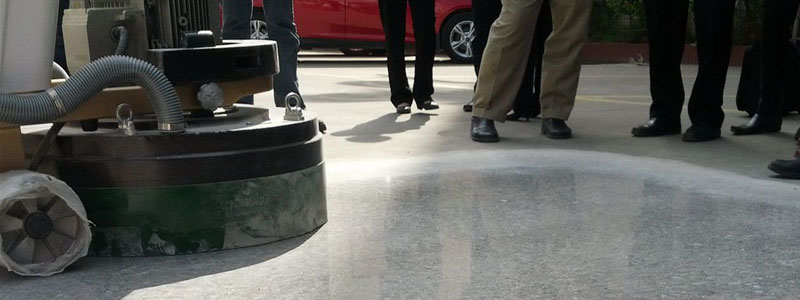
Polished concrete is created by grinding a concrete slab with progressively finer abrasives and then sealing it to create a smooth, glossy finish. The surface is dense, stain-resistant, and reflects light. However, its mirror-like quality can also make scuff marks more noticeable.
Shoes with rubber soles, chair legs, pet claws, and moving furniture are the top culprits for these marks. The good news? Most are easy to remove with the right tools.
Step-by-Step: How to Remove Scuff Marks from Polished Concrete Floors
You don’t need to panic—or pay for professional services—every time you see a scuff. Here’s how to safely restore your floor’s shine at home:
- Dry Buffing (for light scuffs):
- Use a soft white microfiber pad or dry terry cloth towel.
- Rub the mark gently in circular motions.
- This method is ideal for new or shallow marks.
- Wet Cleaning with Neutral pH Cleaner:
- Mix water with a neutral pH cleaner (non-acidic, non-alkaline).
- Apply with a mop or spray bottle and wipe clean with a microfiber pad.
- Avoid over-wetting the area.
- Use a Magic Eraser:
- Dampen a melamine foam pad and gently scrub the scuff.
- Follow up with a clean cloth to remove residue.
- Buffing Machine (for high-traffic zones):
- Attach a non-abrasive pad to a high-speed burnisher.
- Use with a polishing compound if needed.
Avoid harsh chemicals, steel wool, or abrasive scrub pads—they may dull or etch the surface.
How to Clean Polished Concrete Floors at Home (Beyond Scuffs)
Once you know how to clean polished concrete floors at home, it becomes a simple part of your weekly routine.
Daily: Dry mop or vacuum to remove grit and prevent micro-scratches.
Weekly: Damp mop with a neutral pH cleaner.
Monthly: Spot check for scuffs, dullness, or wear.
Annually: Consider professional reburning to maintain long-term gloss.
Still wondering how do you clean polished concrete floors without damaging them? The secret is consistency and avoiding harsh products. Stick with cleaners designed for polished surfaces.
Real Use Case: Polished Concrete Basement Floors
Basements are one of the most popular places for concrete polishing. They’re below grade, naturally cool, and prone to moisture—three reasons why polished concrete is ideal.
Polished concrete basement floors resist:
- Moisture penetration and mold growth
- Musty odors and bacterial buildup
- Wear from storage, foot traffic, and pet activity
To maintain basement floors:
- Keep humidity below 60% with a dehumidifier
- Mop regularly to remove dust and dirt
- Apply polish refreshers if the gloss begins to fade
Basement floors may be more prone to scuffing due to clutter or furniture movement, so stay on top of touch-ups.
What About Cracks in Polished Concrete Floors?
Even with polished finishes, underlying structural issues can arise. Cracks in polished concrete floors are usually caused by slab settling, shifting foundations, or improper curing.
If you spot a crack:
- Small hairline cracks can often be polished over without issue.
- Wider cracks may require epoxy injection or a concrete patching compound.
- Re-polishing the area afterward helps blend the finish.
Early treatment prevents expansion and keeps moisture out. Don’t wait—address cracks as soon as they appear.
Polished Concrete Floors on Existing Slab: Special Considerations
If your floors were installed over an old foundation, you may have polished concrete floors on an existing slab. These floors can be just as durable and beautiful—but they require extra attention during prep and cleaning.
Common issues with older slabs:
- Inconsistent surface hardness (leading to uneven polishing)
- Pre-existing stains or paint that require removal
- Micro-cracks that can become visible under polish
Cleaning and scuff removal on these floors should be especially gentle. Use non-abrasive methods and test new products in a small area first.
Comparison Table: DIY vs. Professional Polished Concrete Cleaning
Choosing between DIY methods and hiring a professional for polished concrete floor maintenance depends on your needs, budget, and the condition of your surface. This table outlines the pros and cons of each approach—so you can make the right call whether you’re dealing with light scuffs or heavily worn concrete.
| Cleaning Method | Cost | Best For | Pros | Cons |
| Dry Buffing (DIY) | Low | Light scuff marks | Simple, safe, and fast | May not remove deep marks |
| Magic Eraser (DIY) | Low | Rubber shoe marks, heels | Easily available and effective | May require pressure, use gently |
| Neutral pH Cleaner (DIY) | Low to Medium | General weekly cleaning | Safe for finish, great maintenance | Can leave streaks if overused |
| High-Speed Burnishing | Medium | Large or high-traffic areas | Restores gloss, removes grime | Equipment rental or purchase needed |
| Professional Repolishing | High | Worn, cracked, or dull floors | Expert-level results, deep renewal | Higher cost, may require downtime |
FAQ: Cleaning and Maintaining Polished Concrete Floors
Q: What’s the easiest way to remove scuff marks from polished concrete?
A: Start with a dry microfiber cloth and apply gentle pressure. If needed, dampen a melamine (magic eraser) sponge and buff in circles. Avoid harsh chemicals and always follow with a clean wipe. Routine cleaning helps prevent buildup that makes scuffs harder to remove.
Q: Can I use vinegar or bleach to clean my polished concrete floor?
A: No. Acidic or abrasive cleaners like vinegar, ammonia, or bleach can etch the surface and damage the sealer. Stick to pH-neutral products specifically formulated for polished concrete. Always test a new product on a hidden area first.
Q: How can I prevent scuff marks on my floors?
A: Use floor mats at entryways, felt pads under furniture, and avoid dragging heavy objects. Regular sweeping prevents sand or grit from scratching the surface. Polishing compounds or conditioners can also add resistance over time.
Q: What should I do about small cracks in my polished concrete?
A: Small hairline cracks are common and often cosmetic. Clean them and monitor for spreading. For larger cracks, contact a professional to assess whether epoxy or patching is needed. Maintaining proper humidity and sealing helps prevent future cracking.
Q: Is there a way to make an old slab look like new again?
A: Yes. With proper grinding, patching, and polishing, even old or damaged concrete slabs can be transformed into beautiful polished floors. Professionals can assess the condition and recommend a restoration plan that includes stain removal, densification, and sealing.
Small Marks, Big Impact—Now You Know What to Do
Knowing how to remove scuff marks from polished concrete floors gives you the confidence to care for your floors and protect your investment. Whether your polished surface is in the kitchen, basement, or over an older slab, a smart cleaning routine will help it look flawless for years.
By understanding how to clean polished concrete floors at home, you’ll save time, avoid damage, and ensure long-term performance. From handling cracks in polished concrete floors to choosing the right cleaning method, it all adds up to lasting beauty and strength.
Epoxy Flooring Made Easy – Contact Us to Book Now!
Polished Concrete Michigan is here to help—whether you need deep cleaning, restoration, or full polishing services. Get in touch today for expert advice or to schedule your next floor upgrade. Szczyt Nexoris